


Being off-grid was the very first thing we talked about after we started our RV adventures in 2018. We had little understanding of the assets we took a lot without any consideration. Leaping in a sizzling bathe or powering up our single-serve coffeemaker by no means made us take into consideration the place the water or energy was coming from, not to mention how a lot of it we have been utilizing each day. Our first few months in our RV got here with the steep studying curve of how one can handle our assets, turning into conscious of our private consumption and our environmental affect. Getting acquainted with what we used by way of assets solely drew us nearer to why we needed to strive residing a extra off-grid life-style.
Off-Grid Tenting Should-Haves
To be “off-grid” within the context of tenting means disconnecting from standard utilities and infrastructure. This isn’t nearly turning off our telephones and being in solitude. It’s about being self-sufficient in our life-style. It means carrying in all of our personal water, producing our personal energy (or doing with out), and managing our waste. These have been all duties we needed to study and navigate so as to have the ability to get pleasure from extra secluded areas of wilderness. This type of RV Life fosters a deep reference to nature and a powerful sense of self-reliance, however it additionally calls for meticulous planning and respect for the setting.
Getting extra into how we may go partially or totally off-grid in our RV meant we additionally discovered about recreating responsibly. We had no information of what it meant to be a steward to the lands we have been residing on, so we got down to educate ourselves. Now, we adhere to Go away No Hint rules, which embody planning forward and making ready, touring and tenting on sturdy surfaces, disposing of waste correctly, leaving what you discover, minimizing campfire impacts, respecting wildlife, and being thoughtful of different guests. We attempt to go away a spot cleaner than we discovered it.
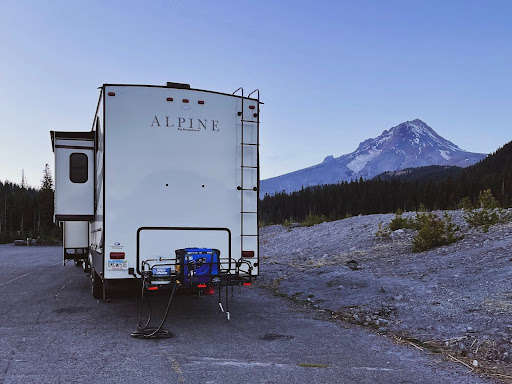
Energy
We didn’t need to be with out energy, however we had no clue how a lot energy we wanted to run the issues we wanted…and some of the issues we needed. Earlier than we even tried to go off-grid for actual, we did just a few check runs at campgrounds to see what sort of energy we have been seeking to have after we lastly unplugged.
An RV’s battery financial institution, which runs your lights, furnace fan, water pump, and important electronics, has a finite capability. After just a few run-ins with useless batteries, we expanded our battery financial institution to incorporate two lithium batteries, that are lighter and last more. We determined to not get photo voltaic in our first RV as a result of we had an onboard generator that we used, however that is the most well-liked step for RVers who intend to spend vital time off-grid. Even with photo voltaic, we suggest having a generator. Our first RV had a built-in generator, however after we moved into our fifth whee,l we had to purchase one. It has come in useful on a number of events past boondocking and we’re blissful to have it! Now we have a dual-fuel inverter generator that may run as much as 30AMPS. Which means it might accommodate working an air conditioner, microwave, fridge, tv, and many others. We all the time carry further gasoline and cling to generator hours when tenting.
Now we have energy, however we even have a purpose to preserve energy by:
- Reduce use of high-draw home equipment (microwaves, hair dryers, toasters).
- Charging objects earlier than we go off-grid.
- Think about alternative routes to warmth and funky ourselves (battery-operated followers and sizzling water bottles).
Water
Energy is vital, however we will’t dwell with out water. Many instances we underestimated how a lot water we truly used when tenting off-grid. Our trial runs often resulted in us emptying our tanks days earlier than we anticipated. Over time, we discovered some methods to make our water provide final, together with getting actually fast at showering!
We additionally should be taught the wonderful steadiness between water in (recent) and water out (grey/black). Listed here are just a few ideas that can assist you perceive your water use that we’ve got discovered over time.
- Know your tank measurement and what number of days it can final. A typical individual makes use of about 1 gallon of water per day for necessities (ingesting and cooking) and one other 2-3 gallons for laundry/flushing.
- Set up low-flow bathe heads and tap aerators. The much less water that flows out, the much less water results in your grey tank. Our Oxygenics bathe head makes use of half as a lot water because the bathe head that got here in our RV.
- Washing Strategies: Wash dishes by wiping them clear with a paper towel first, then use a small basin of soapy water and a separate basin of rinse water.
- Monitor your water tanks intently. Our RV has sensors (that generally work) to assist with keeping track of tank ranges.
Local weather Management
Propane fuels our furnace, sizzling water heater, fridge, and cooking vary. We will additionally use it for our dual-fuel generator. Utilizing propane has prolonged the time we might be off-grid in our RV and in our Van. We put in tank displays (like a Tank Examine sensor) and monitor our use intently. Working out of propane can imply no warmth, no sizzling water, and a non-functioning fridge…all of which we’ve got encountered.
- Heating Methods:
- Insulation: We use Reflectix in home windows, which helps in each cold and warm climate.
- Catalytic Heaters: Now we have been contemplating a small, vent-free propane heater (like a Wave or Buddy Heater) for dry tenting. These warmth the house with out consuming battery energy, however they require correct air flow. We haven’t used these earlier than, however have heard great issues about them from different RVers.
- Venting and moisture are the primary issues to maintain up with when utilizing propane heating and whereas in damp climates. Right here within the Pacific Northwest, we hold dehumidifiers working consistently.
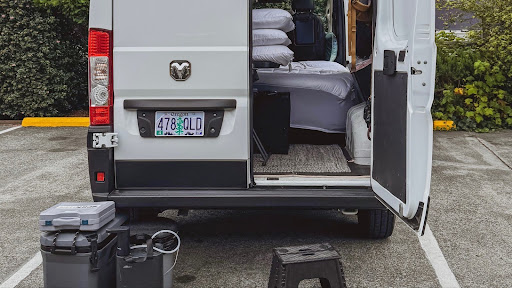
Different Essential Components
- Going off-grid can imply spotty cellular phone service and counting on maps and compasses for route. We be sure to obtain our Google Map previous to going to an space in order that we will nonetheless have entry to that map and instructions even when we’re with out cellular phone service.
- Campground Entry: We use apps like Campendium or iOverlander to seek out established boondocking websites with user-reported opinions, highway situations, and cell service experiences. We discover potential spots forward of time and all the time have a backup possibility.
- Off-grid RV tenting means tackling unpaved and tough roads. By no means belief Google Maps for forest service roads. Now we have been misplaced on quite a lot of events, which is an added stress when you find yourself hauling 42 ft of RV behind you.
- Have a security and restore equipment with you. We hold a built-out first-aid equipment, in addition to a highway security equipment, with us always. Once we have been in our Class A, we bought caught within the mud whereas making an attempt to make a slim flip, and it price us money and time to have emergency companies come out to rescue us and our rig!
We have been drawn to this life-style by the attract of being in untouched wilderness with huge, open night time skies and never a single different individual in our sight. We craved the quiet stillness of a distant tenting spot and had been bombarded with idealistic photos of van and RV life being similar to that. As soon as we discovered about utilizing assets, problem-solving, widespread experiences, and linked with the appropriate instruments, we beloved being off-grid. It isn’t all the time as glamorous as we had seen, however it has been value each messy and muddy second.

