


LUXUO examines how a era of worldwide artisans — formed by cultural consciousness and digital fatigue — is driving the resurgence of handcrafted furnishings and décor over mass-produced items within the world interiors market. Typically balancing the wants of ageing mother and father and younger households, at the moment’s owners method furnishings with a mix of need and discernment — favouring items that endure and develop character over time.
Craft is now not solely an ornamental luxurious, however a price system rooted in human talent and materials integrity. Handcrafted furnishings — designed to be maintained and repaired — displays a recent appreciation for sustainability and the seen hand of the maker, providing emotional and useful worth in equal measure.
Ariake: Japanese Craft Reinvented For International Interiors
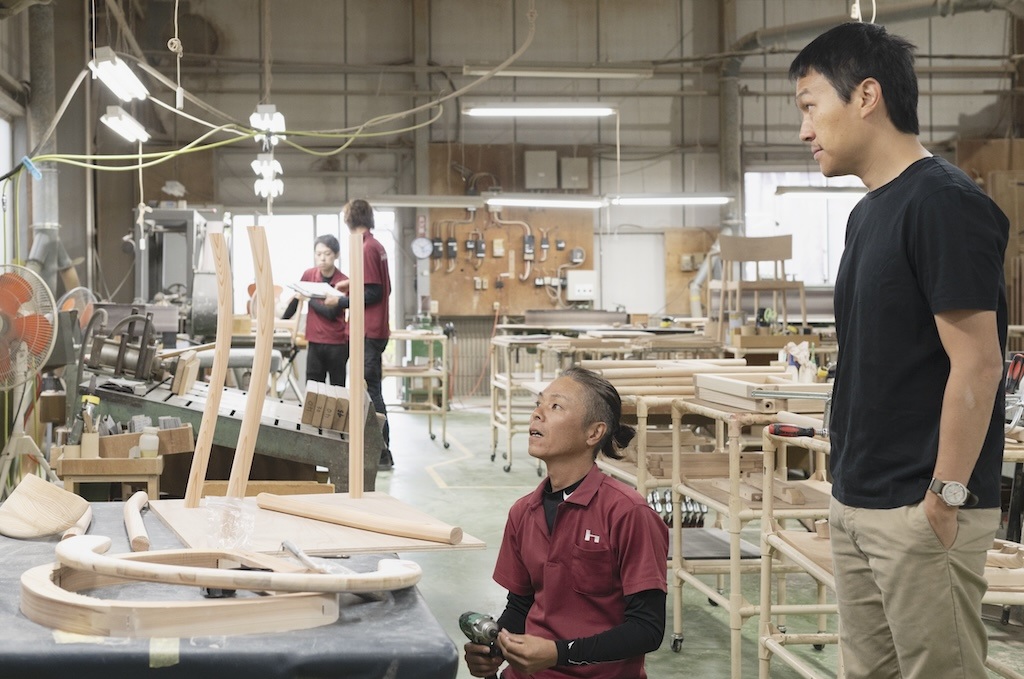
Ariake — based in Morodomi, Saga Prefecture, Japan — is a collaborative craft endeavour involving extremely expert firms and worldwide designers. Each bit — from lattice benches to paperwood tables — combines conventional Japanese carpentry strategies, pure supplies reminiscent of cedar and hinoki and trendy design ideas. The model’s angle emphasises residing and social rituals, with merchandise designed for assembly areas slightly than simply ornament.
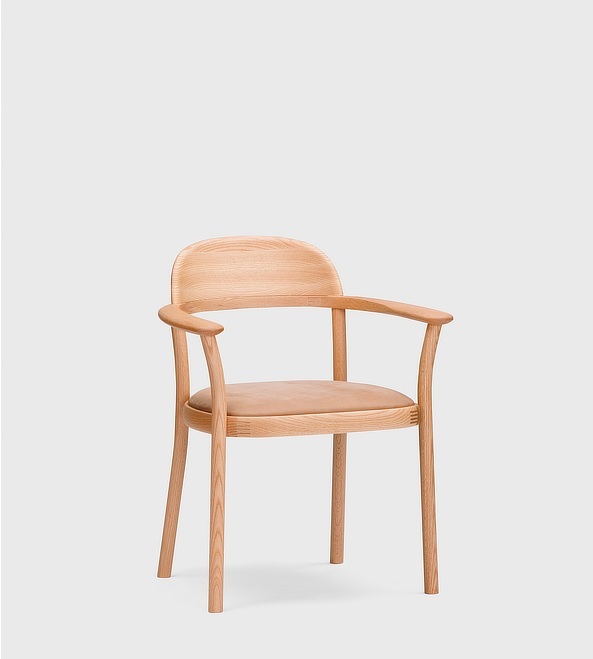
Its furnishings has been exhibited overseas as half of a bigger narrative reintroducing handmade Japanese craft to a discerning world viewers. Stocked at Grafunkt, Ariake’s mixture of intensive materials experience and cross-cultural design dynamism locations it on the forefront of interiors that honour custom whereas wanting ahead.
Molly Mahon: Hand Block-Printed Wallpapers & Textiles
Molly Mahon — a British printmaker — interprets heritage craft via a private viewpoint, creating rustic but refined wallpapers and materials. Her block prints — impressed by the Ashdown Forest’s flora — mix centuries-old strategies with a vibrant, trendy palette. Mahon’s studio reintroduces hand-carving and printing strategies in ways in which enchantment to luxurious interiors via sample and texture.
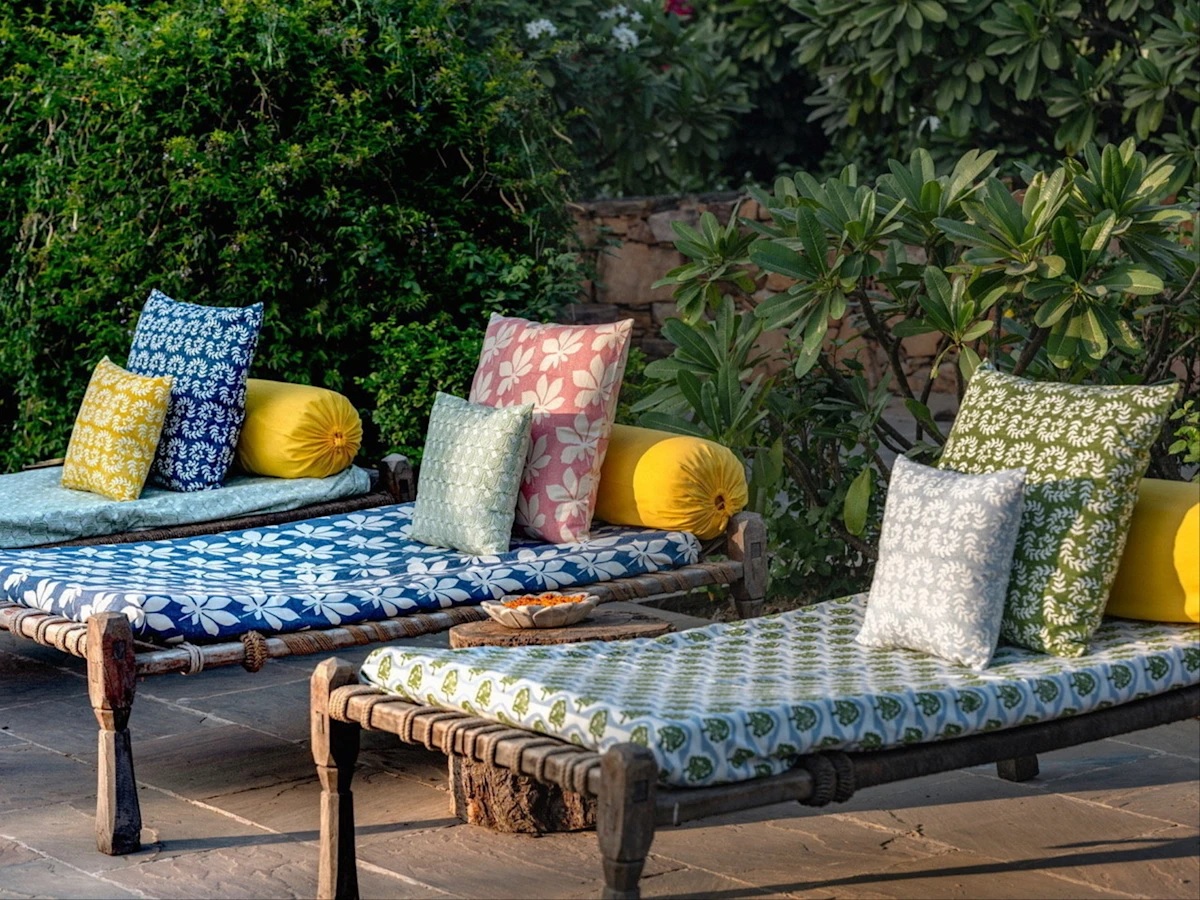
Her work — distributed by luxurious design firms reminiscent of Schumacher — has expanded past area of interest craft to affect how producers mix native inspiration with worldwide distribution, interesting to designers looking for authenticity and texture in inside finishes.
Hors-Studio: Recycled Supplies Turned Into Design Objects
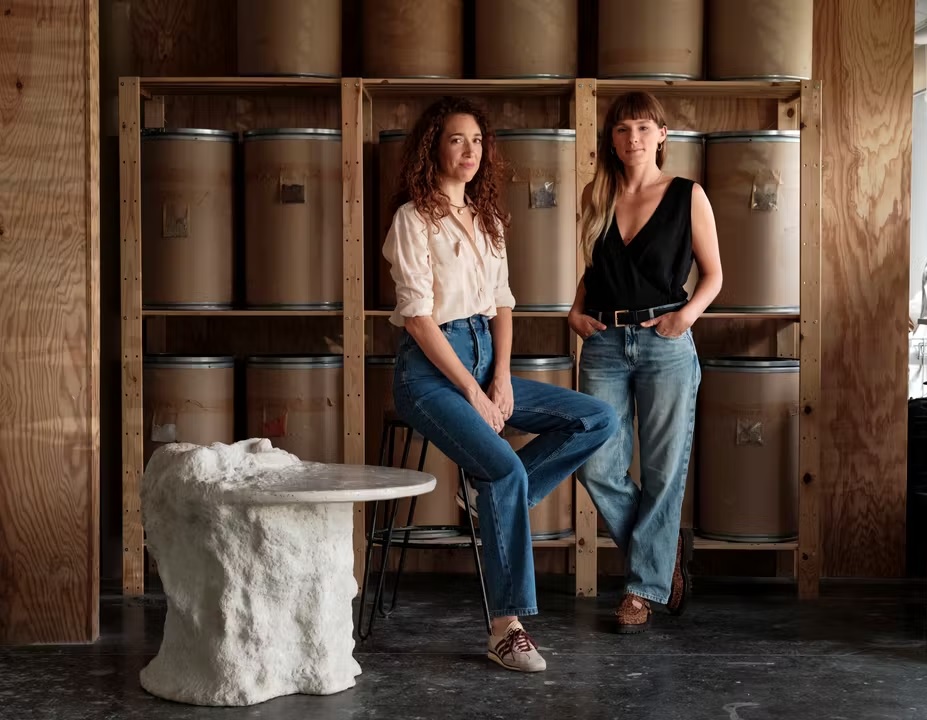
Rebecca Fezard and Elodie Michaud handle the French design atelier Hors-Studio — which tackles materials innovation via low-tech craft by repurposing industrial waste into furnishings and inside elements. Their attribute “Leatherstone” — shaped from discarded leather-based compacted into stone-like slabs — seems in tables and sculptural gadgets that convey each sustainability and luxurious.
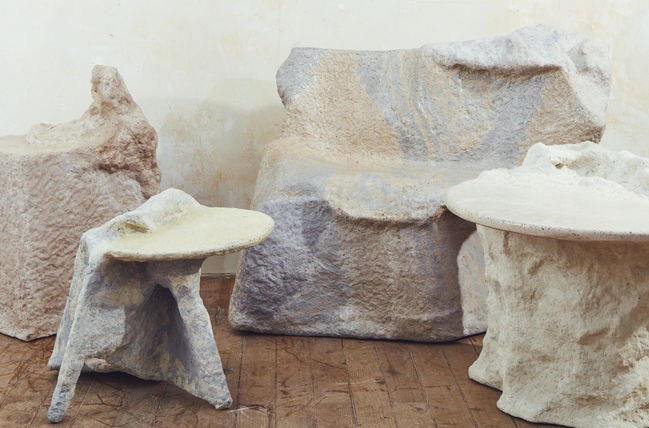
“Leatherstone” furnishings items from the Tuf assortment. Picture: Florent Tanet.
The studio additionally makes use of pure fibres reminiscent of mussel byssus in textile installations. Their apply — which was recognised with the 2025 Liliane Bettencourt Prize for Guide Intelligence — challenges the boundaries between uncooked materials, craft technique and inside software.
Singapore’s Proud Fashionable Craftsmen
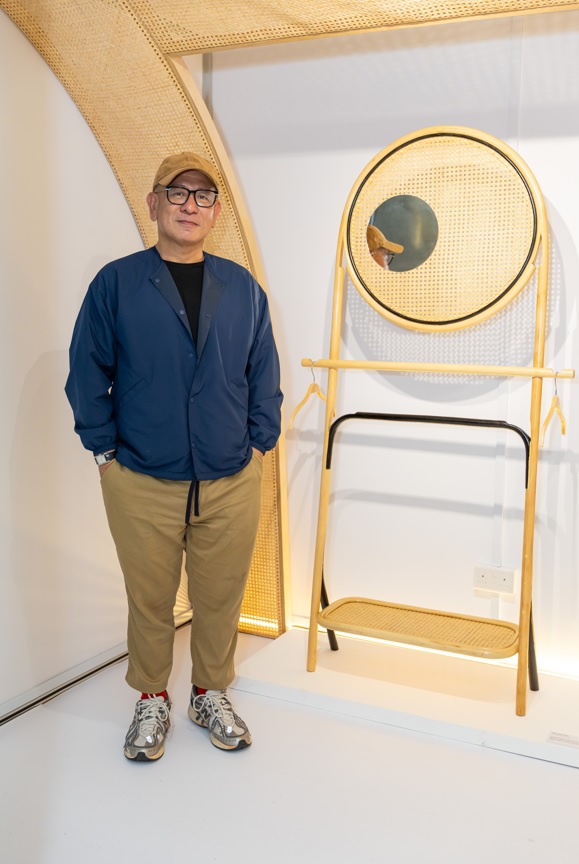
Craft X Design 2.0 — a mission of Singapore’s Nationwide Heritage Board (NHB) — brings collectively up to date designer Nathan Yong and conventional craftspeople reminiscent of rattan maker Chen Foo Kee, wood-carving Francis Tan and embroidery artisan Heath Yeo to reinterpret outdated crafts for contemporary environment.
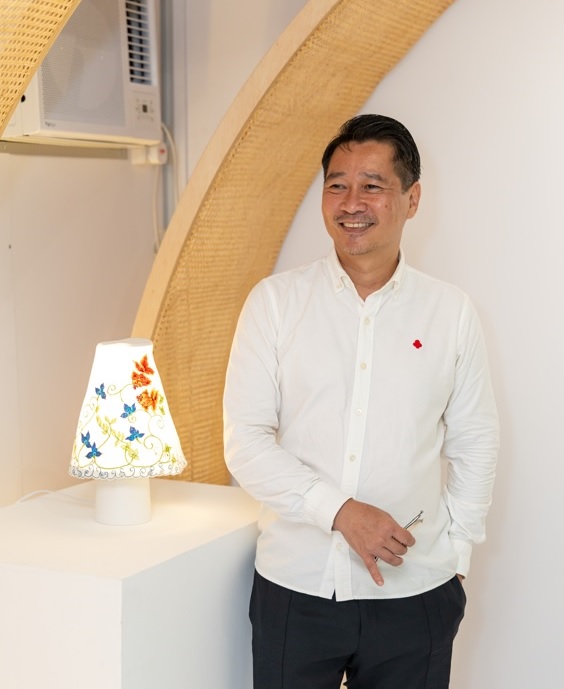
The result’s a rattan vainness, wood-carved vases and embroidered lighting that mix labour-intensive processes with trendy design sensibility. This public-facing mission demonstrates how heritage crafts could be recontextualised for premium interiors, attracting collectors and designers looking for items with cultural significance and up to date relevance.
Vikram Goyal: Brass-Centric Sculptural Furnishings
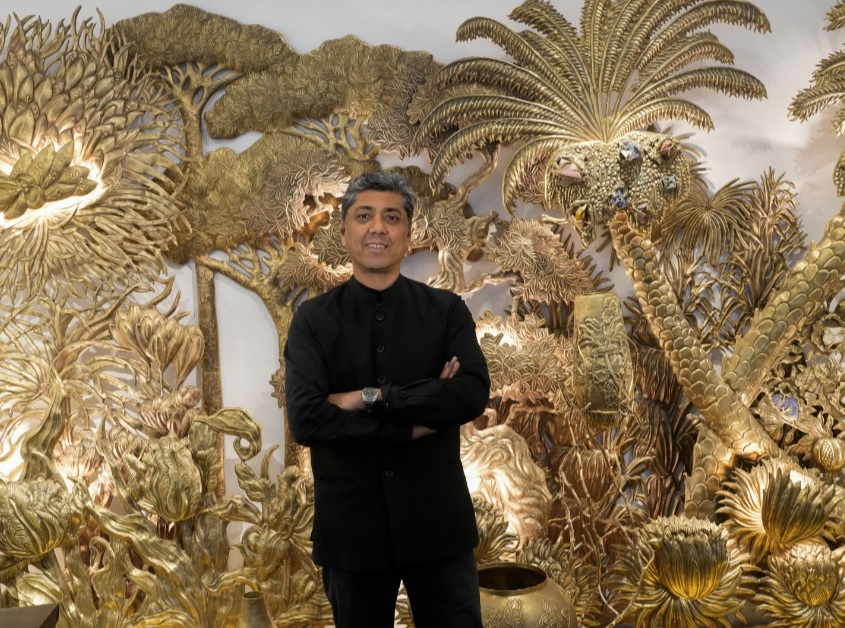
Vikram Goyal — an Indian designer — is rethinking brass as a structural ingredient for furnishings and interiors. His creations — that are often consoles, chandeliers and screens — use repoussé and deep metalworking strategies to attain scale and presence.
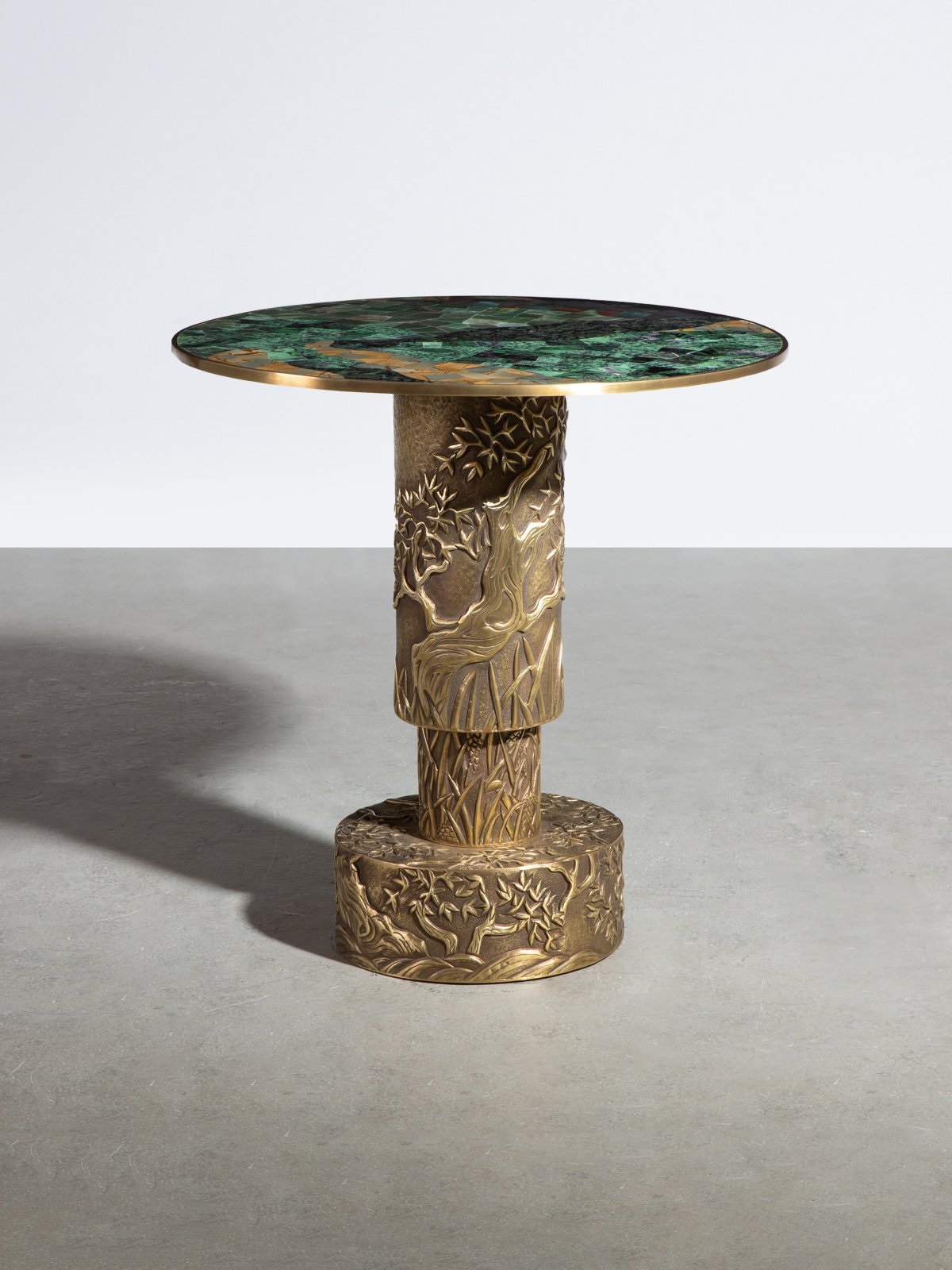
Goyal’s work reinterprets outdated metallic craft via a contemporary lens, leading to items that really feel rooted in approach however recent in kind. For the premium inside buyer, his work bridges the hole between wealthy metallic surfaces and attentive craft execution, presenting brass as an expressive materials slightly than an ornamental afterthought.
Let’s Pause: Spanish Craft Furnishings Constructed On Slowness, Pure Supplies And Human Fingers
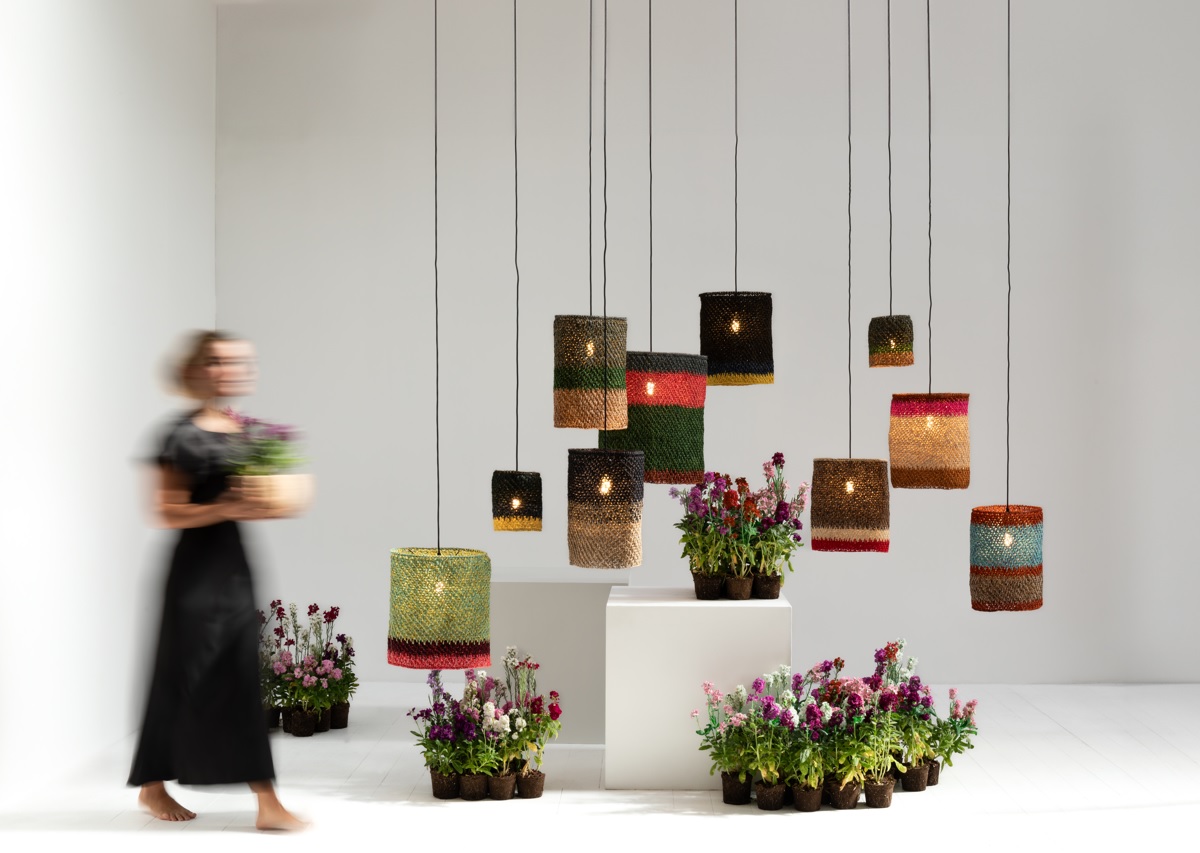
Let’s Pause is a Barcelona-based Spanish furnishings model that sees design as a dialogue with nature and craftsmanship. It makes use of natural supplies reminiscent of esparto grass, fique, palm fronds and poplar wooden to create handcrafted furnishings, lighting and equipment that don’t require chemical remedies or varnishes. Artisans — typically shaped in cooperatives — work with the model’s designs, conserving conventional abilities and valuing tedious, painstaking procedures. Let’s Pause creates restricted, numbered sequence as wanted and gives distinctive items for residential or contract settings. Each bit is designed to return to the earth on the finish of its life, emphasising sustainability, materials honesty and appreciation for the makers’ time and talents.
Alexander Lamont: Valuable Supplies, International Artisans And The Making of Heirloom Furnishings
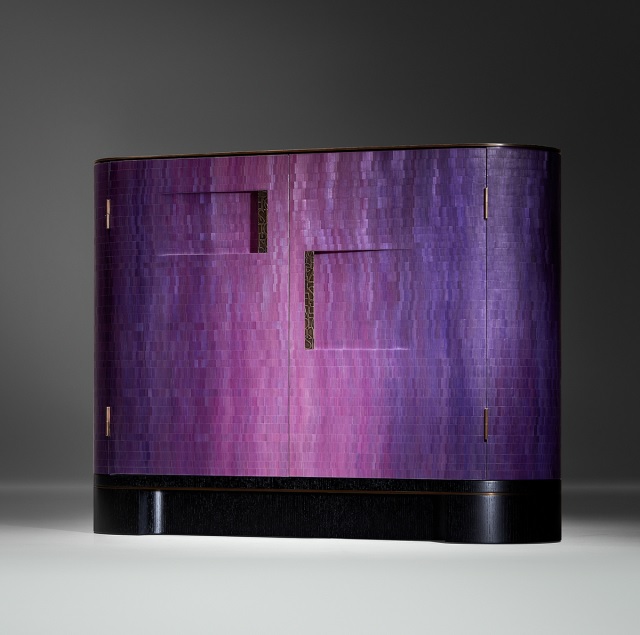
Alexander Lamont is a furnishings and inside design studio specialising in meticulous craftsmanship and unusual supplies. Since opening his Bangkok workshops in 2000, Lamont has introduced collectively over 100 artisans versed in historic strategies starting from straw marquetry and pure lacquer to parchment, gilded leaf and hand-patinated bronze.
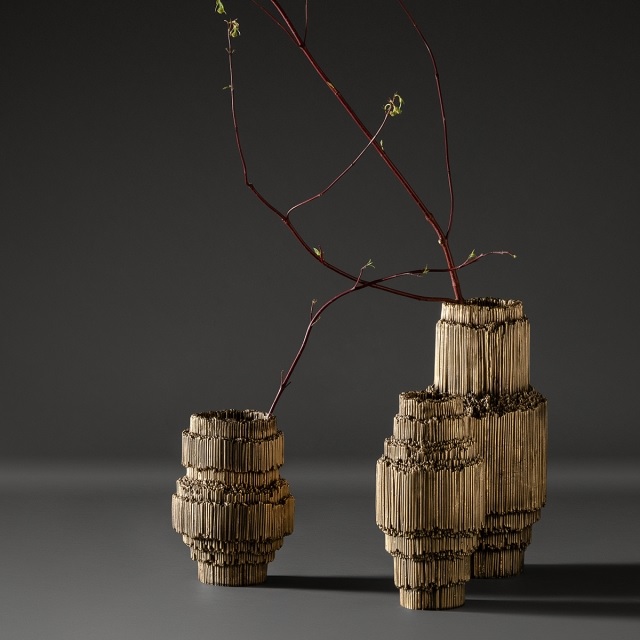
Each bit is created in collaboration between the designer and the craftsperson, with useful pure supplies chosen for his or her inherent virtues and sturdiness. Expert craftsmen from Asia and Europe full advanced operations by hand — leading to minimal waste and an impeccable end. Lamont’s work falls someplace between stunning artwork and utility, leading to heirloom furnishings that develops character with time.
Zanat: Bosnian Hand-carved Furnishings With International Design Collaborations
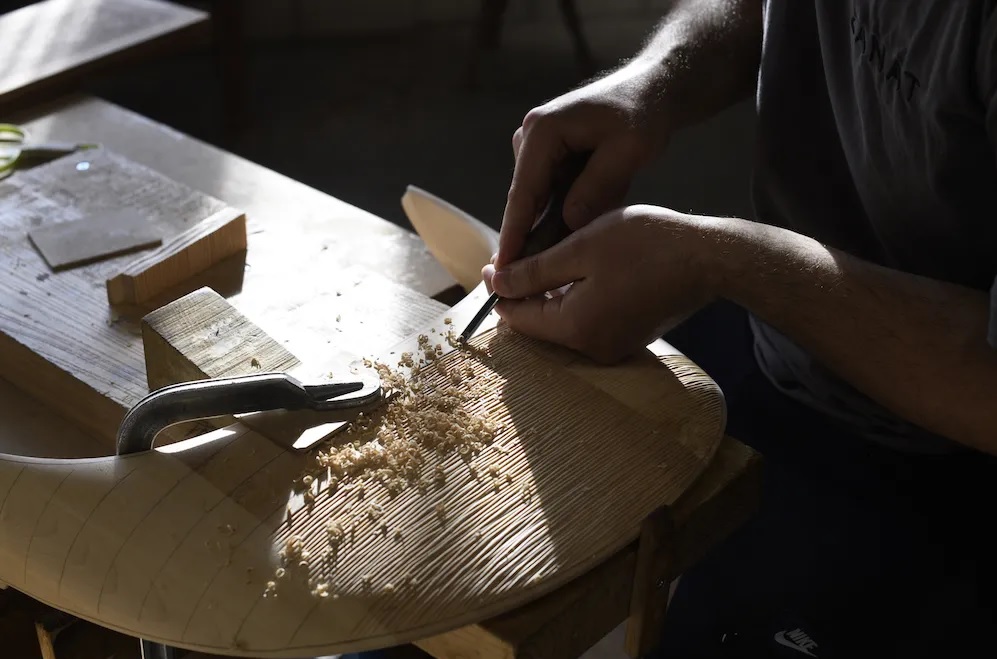
Zanat — based on a century-old woodcarving heritage and reintroduced in 2015 — has emerged as a pacesetter in up to date artisan furnishings. Primarily based in Konjic, Bosnia, the model preserves heritage abilities by coaching a brand new era of carvers and incorporating present design relationships with internationally famend designers reminiscent of Naoto Fukasawa and Monica Förster.
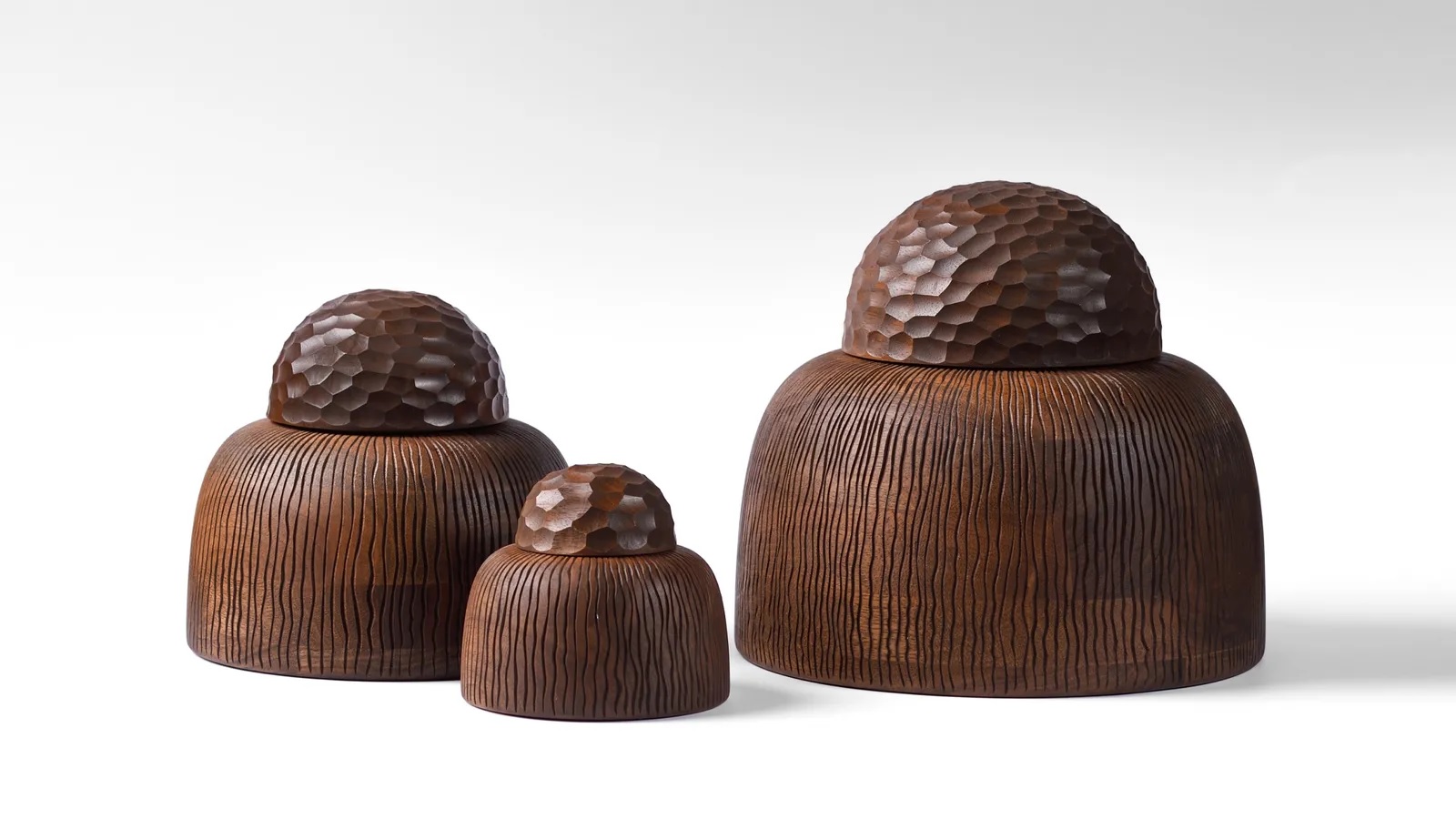
Its hand-carved sculptures span from sculptural tables to inside furnishings, combining intensive craftsmanship with globally related aesthetics. Stocked at Xtra, Zanat’s decade-long journey has resulted in UNESCO certification for its craft and a devoted cultural platform in Sarajevo — cementing its place as a worldwide mannequin for a way heritage and up to date design can coexist.
Crafting Want
Craft has developed from a distinct segment luxurious to a logo of considerate residing within the interiors market. Handcrafted furnishings gives extra than simply aesthetics to the sandwich era and past; it represents sturdiness, experience and moral function. Every work is a price assertion that connects producers and house owners with time, supplies and care. In an age of velocity and digital saturation, this newfound emphasis on craft represents a cultural reset, during which the objects one surrounds themselves with are chosen with intention, respect and long-term relevance.
For extra ornament reads, click on right here.

