


In case you’ve coated e-bikes so long as I’ve, you’ll know two issues about them: they’re an superior option to get round, and the fundamental know-how behind an e-bike motor hasn’t radically modified in an extended, very long time. Nonetheless, primarily based on the brand new e-bike motor design I simply examined from a powertrain know-how firm referred to as CHARGE, the e-bike world could also be about to get turned on its head. These guys found that just about any e-bike hub motor can carry out regenerative braking, however everybody has simply been constructing them flawed this complete time.
I do know that sounds loopy, however persist with me. As a result of I’ve seen this in motion, and it’s legit.
So right here’s the background: The commonest motor model for an electrical bike is a hub motor (a motor within the heart of the wheel), and we’ve all identified for a very long time that e-bikes typically can’t do regenerative braking. Nicely, they will, besides that it requires a heavy and decrease effectivity direct drive hub motor, one thing that we haven’t seen employed on any main retail e-bike in years. As of late, everybody makes use of smaller geared motors that permit the wheel to freewheel like a typical bicycle wheel, making an e-bike coast like a pedal bike but nonetheless have the facility of an electrical drivetrain.
The issue is that the freewheeling nature of a typical geared e-bike motor means regenerative braking is not possible; there’s simply no option to backdrive the motor and switch it right into a generator because it doesn’t flip when the bike isn’t being powered (i.e. coasting or braking). You’d want a controllable clutch to try this, and whereas there have been designs for such a factor, nobody has ever succeeded in doing it in a easy sufficient or cost-effective approach that it may attain manufacturing.
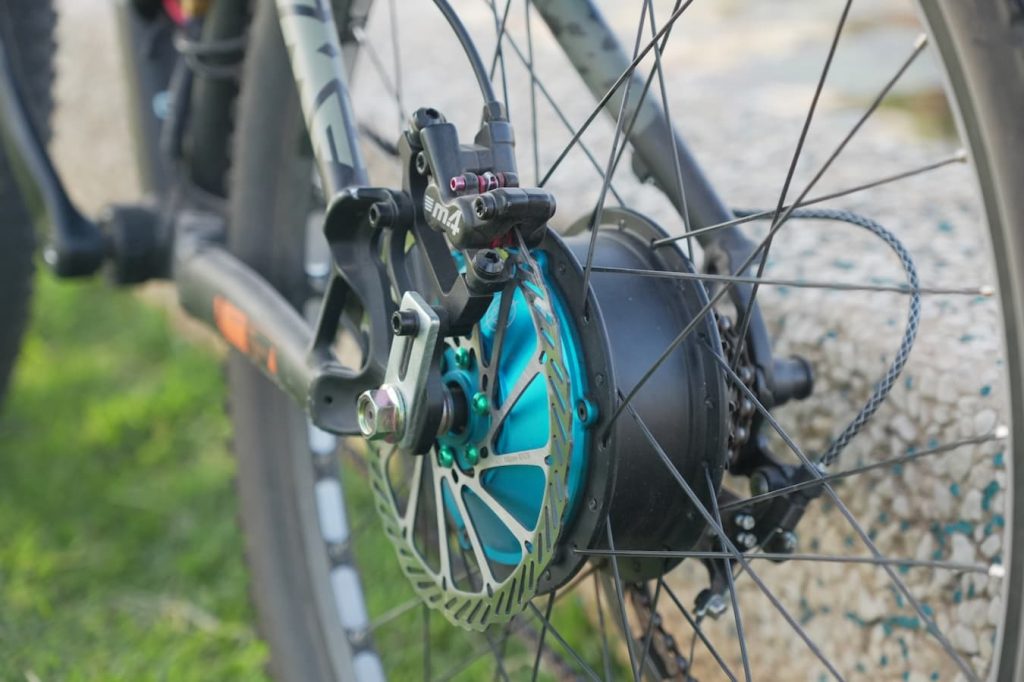
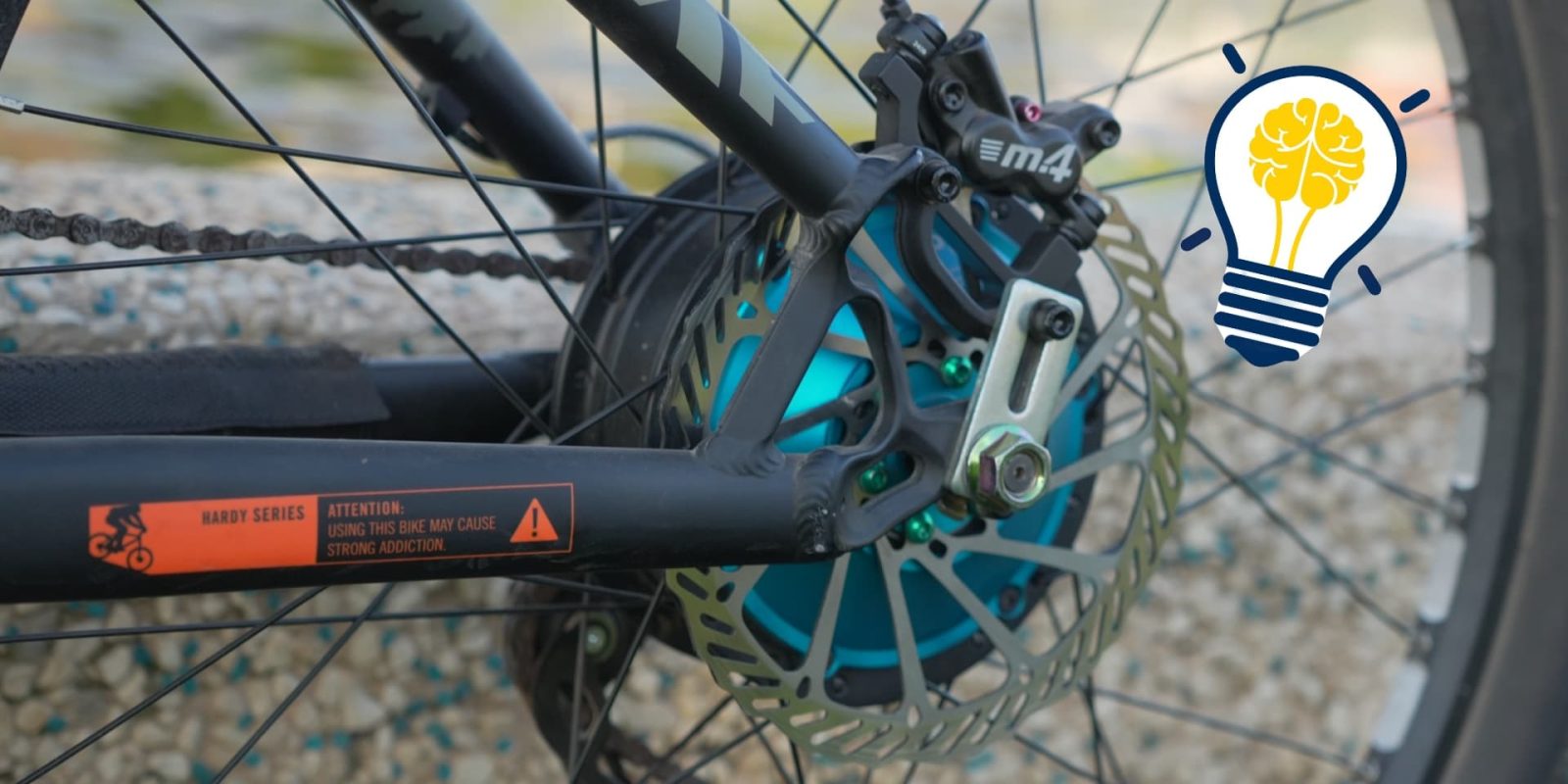
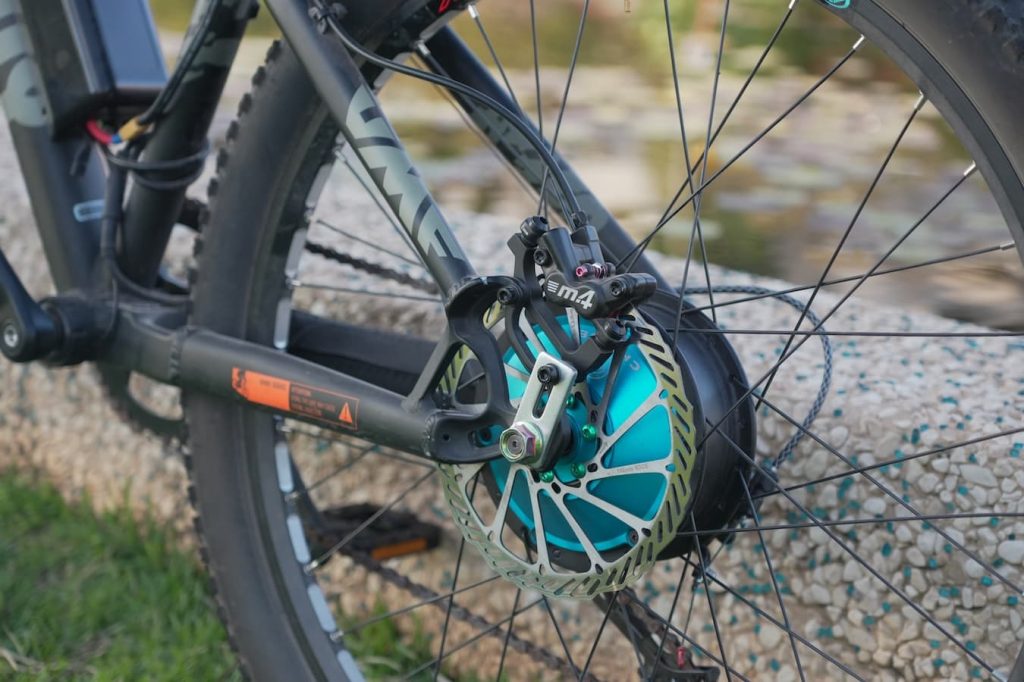
However the intelligent guys at CHARGE found that it doesn’t need to be that approach, not less than not if you happen to merely tweak the motor design. As a substitute of mounting the disc rotor to the motor’s shell, which has been the go-to technique for many years, they mounted the disc rotor to the service plate that holds the planet gears within the motor’s inside gearbox. It requires a barely totally different shell for the motor – one which lets a mount join the disc rotor to the gears’ service plate – however that’s the one distinction, and it’s a simple one to provide. It simply requires tweaking the motor meeting line. After that, the whole braking system is similar.
So the person nonetheless pulls the brake lever on the handlebar as common, and the brake pads nonetheless grip that disc rotor. However the distinction is that because the pads chunk down on the disc rotor, the motor is pressured to show, which is what creates the braking pressure. In essence, the disc rotor now doubles because the user-operable clutch that has at all times been lacking. Meaning the motor can change into generator mode, basically turning into a brake because it masses the motor and converts rotational power again into electrical power to cost the battery. The controller and motor repeatedly talk with one another, rising or reducing braking energy in keeping with how laborious the person pulls the brake lever.
The quantity of slip of the disc rotor within the brake is principally the clutch that controls how a lot regenerative braking energy is utilized. That’s the second intelligent trick right here. For the reason that rotor is linked to the planetary gears as a substitute of the motor shell, the motor is aware of how briskly the disc brake rotor is spinning, as a result of it’s the identical velocity that the planetary gears are spinning. When the disc brake rotor begins to decelerate or cease – basically brake lock up – the motor is aware of that the person desires to brake more durable, and so in flip it attracts extra energy by making use of extra regenerative braking, which prevents the disc brake rotor from locking up and retains it spinning slowly. It’s consistently monitoring rotation velocity to make sure the braking energy matches what the person is doing with their very own hand pull on the lever (i.e. the brake pads on the rotor). And it’s doing so with the prevailing motor velocity sensors already constructed into each hub motor – no additional sensors required.
However because the brake pads are simply making use of a small pressure to the rotor and never really utilizing friction to create a lot warmth and trigger vital braking, they expertise very minimal put on and certain gained’t want changing. They’re merely frivolously squeezing the rotor as a approach for the motor and thus the controller to expertise braking enter from the hand lever. Practically all of the braking energy is definitely coming from the motor itself, which is performing as a generator to generate electrical energy. Or not less than, that’s true more often than not. There’s one other neat trick the place when the battery is full and thus can’t use regen to cost it anymore, the controller can mechanically lock or almost lock the disc rotor velocity by stalling the motor, which suggests extra friction is generated by the brake pads. That’s a uncommon case although, that solely occurs upon braking when the battery is in a fully-charged state (e.g., at first of a trip).
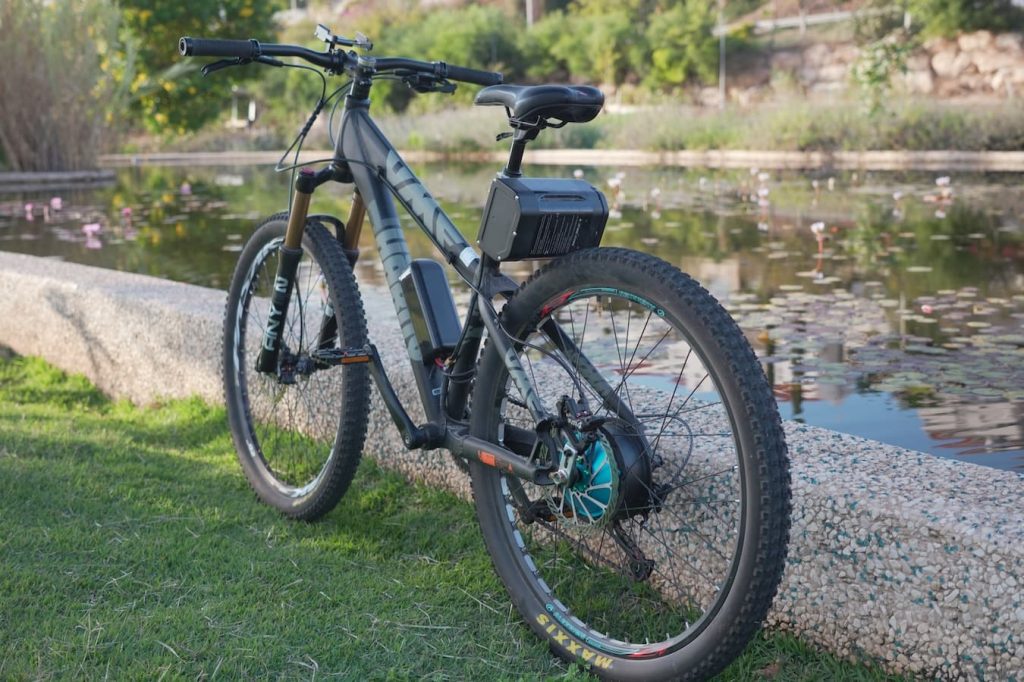
Conceptually, it may be a bit laborious to wrap your head round. And truthfully, seeing it in actual life doesn’t precisely hammer the mechanics residence, both.
However since I received to check it myself, why not check out the trippy approach the disc rotor strikes – and doesn’t transfer – through the check trip expertise. See it within the brief clip beneath! Or take a look at CHARGE’s personal gradual movement video that brakes it down much more (get it?).
Having ridden it myself, I can let you know that this setup feels precisely the identical as regular braking with bodily disc brakes. The more durable I squeeze the suitable brake lever, which controls the rear brake caliper, the extra braking energy I get from the rear wheel.
If nobody had informed me that one thing was totally different again there within the braking system, I won’t have even seen it. Maybe the one giveaway is that you just don’t get the identical quantity of brake noise such as you may get from a squeaky disc rotor underneath laborious braking. And if you happen to occur to show round and have a look at your rear wheel driving (which is a difficult factor to do, generally), you’ll discover a wierd sight which is that if you end up driving alongside, your wheel is popping however the disc brake rotor is definitely nonetheless. It’s trippy, and it’s the one giveaway that one thing isn’t fairly regular again there.
The craziest a part of that is that the CHARGE engineer who first got here up with the answer, Alon Goldman, had by no means really ridden an electrical bike earlier than arising with this invention. He merely heard of the issue and began eager about how he may resolve it. And maybe that was the key that allowed him to strategy motor design in a approach that nobody had considered in over 20 years. After studying about the issue – that e-bike motors couldn’t carry out regenerative braking as a result of freewheeling design of geared hub motors – he began considering exterior of the field, or slightly within the wheel, and he realized the answer was easy. It simply meant altering the way in which we have now linked disc brake rotors to the wheel because the daybreak of the primary hub motor. Every little thing else may keep the identical.
And that opens the door to lastly bringing regenerative braking to principally any e-bike, or not less than nearly all of e-bikes on the highway right now, that are utilizing geared hub motors. It requires the motor to be barely adjusted mechanically so the disc is mounted in a different way, and to make use of CHARGE progressive controller to modulate the regenerative braking, however that’s it. It’s not an impossibility and even a lot of a hurdle. The answer is simply sitting there on the desk ready to be applied. And also you higher imagine that the primary e-bike firm to leap on it’s going to have a significant benefit on their fingers, each functionally and from a advertising and marketing perspective.
That brings us to 1 closing query right here, which is concerning the nature of regenerative braking itself. Regen is frequent in nearly each electrical automobile on the market aside from e-bikes. We’ve lengthy accepted that for e-bikes, the tradeoff of getting a freewheeling motor to coast like a standard pedal bike is price giving up regen, however that hasn’t numbed the will for everybody. The advantages to different autos are the identical to e-bikes. Brake pads last more, batteries go farther, and we merely don’t waste the power we labored laborious to provide (or to cost up, if we haven’t been pedaling ourselves). The quantity of power we’re speaking about isn’t big on common, usually between 5-10% of the entire used for a visit, relying on the terrain and cargo (or as much as 20-30% on lengthy downhill sections, which may lead to appreciable will increase in vary). However even on common flat metropolis driving, that also means riders can go 5-10% additional, which isn’t nothing. And for a lot of, the diminished put on and tear and decrease upkeep are massive advantages on their very own.
So will we be watching this know-how roll out on any new e-bikes quickly? It sounds just like the {hardware} and software program are prepared, however now it’s time to see if the market is able to undertake it. We’ll be maintaining an in depth eye on it, that’s for certain!


FTC: We use revenue incomes auto affiliate hyperlinks. Extra.

