


LUXUO explores eight key developments shaping inside areas in 2026. Inside design is commonly an echo of societal (and financial) patterns in addition to private preferences. The 12 months sees design developments proceed to evolve, responding to shopper behavioural patterns and the necessity for areas to both have interaction or calm the senses. Maybe a mirrored image of shorter consideration spans and the necessity for fixed stimulation, these developments prioritise adaptability, shifting inside styling towards environments that evolve with how one lives, works, performs and rests.
Pantone Color of the Yr — Cloud Dancer
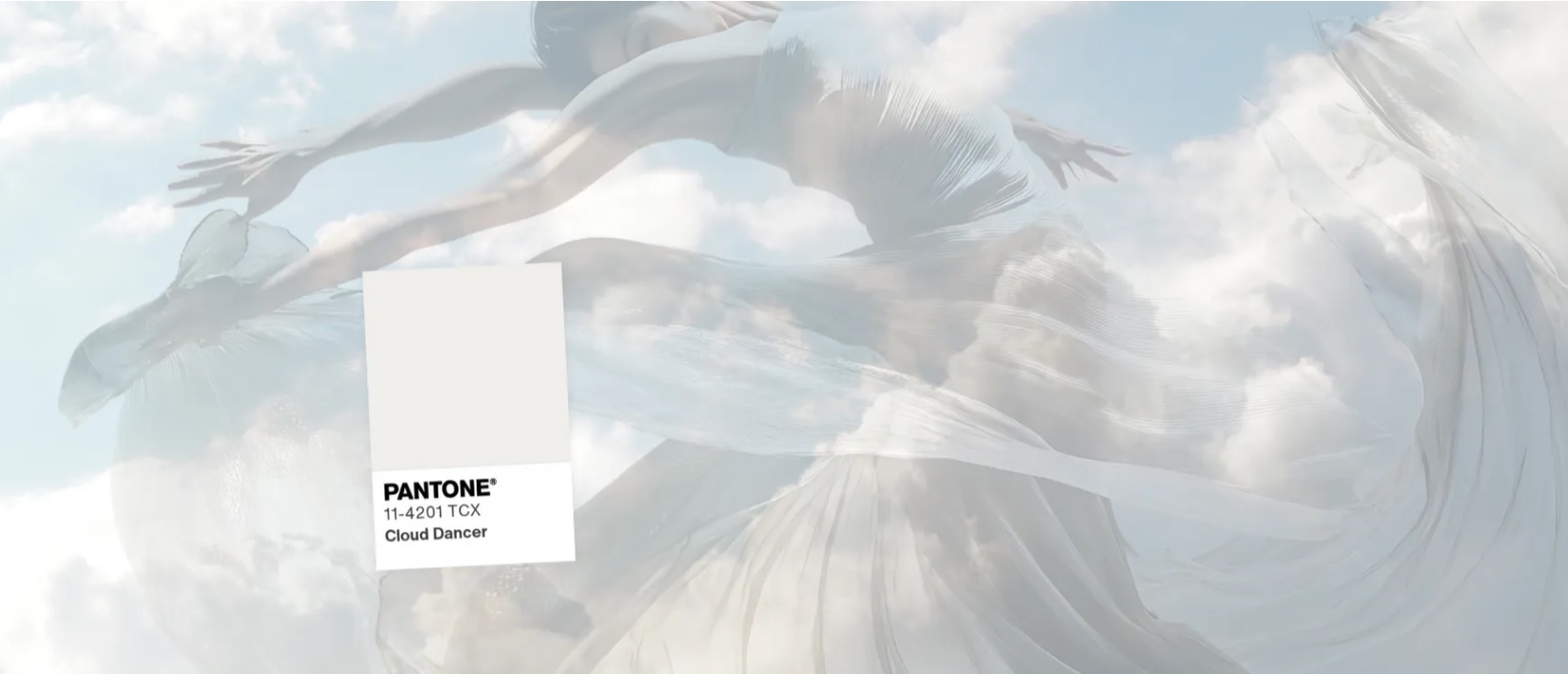
Cloud Dancer is Pantone Color of the Yr 2026. Picture: Pantone. (left)
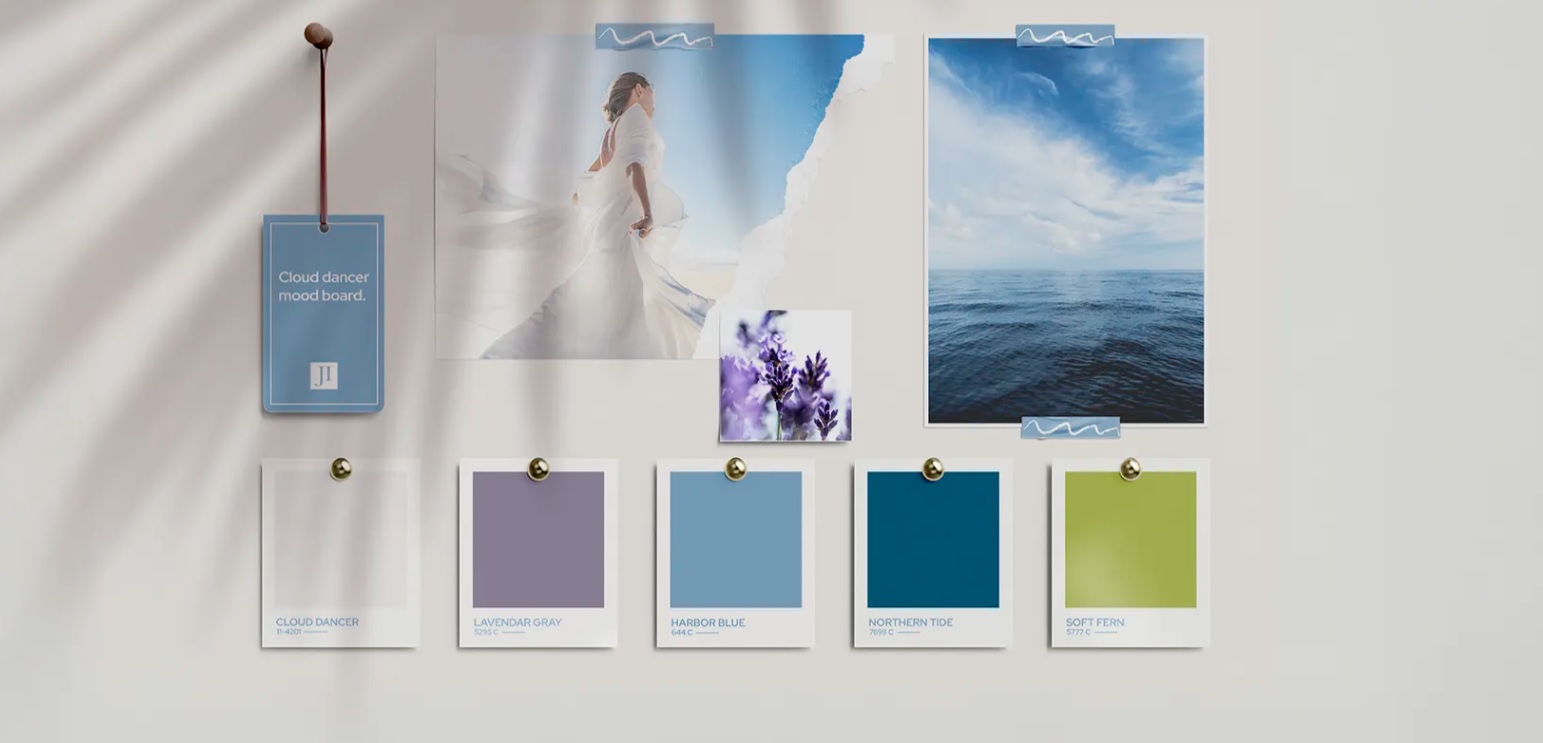
Temper board displaying the way to pair colors with Cloud Dancer. Picture: Pantone. (proper)
Pantone 11-4201 Cloud Dancer — the 2026 color of the 12 months — is a delicate, ethereal white chosen for its enjoyable presence and symbolic reset amid a time of cultural overstimulation. As the primary white hue within the programme’s historical past, it acts as a clean canvas for readability, introspection and inventive reinvention, complementing houses that worth calm, sensory relaxation and long-lasting settings. In areas, it improves pure mild, will increase quantity notion and helps wealthy supplies or sculptural shapes with out competing for consideration, making restraint a design technique.
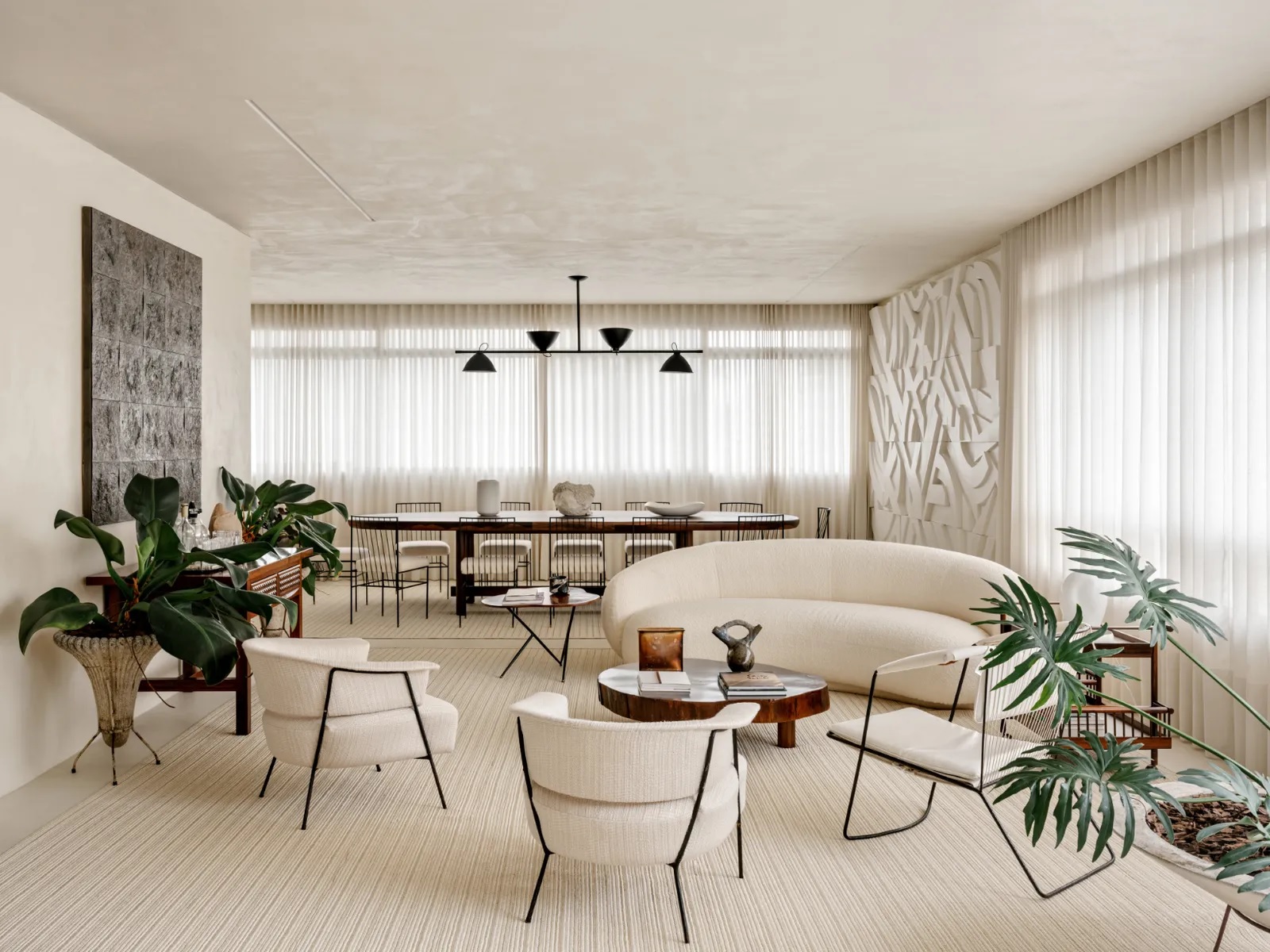
Interiors impressed by Pantone’s Cloud Dancer vibe. Picture: AD Center East.
Cloud Dancer is now being utilized to plaster finishes, materials, micro-cement, stone and matte cabinetry, leading to seamless tonal interiors which can be deliberately quiet. Designers are using it to border bolder parts comparable to curving buildings, digital artwork partitions and textured surfaces, permitting them to face out with out creating visible cacophony. Its reworking power will not be present in depth, however within the freedom to edit, simplify and breathe inside a spot.
Adaptive and Multi-Practical Areas
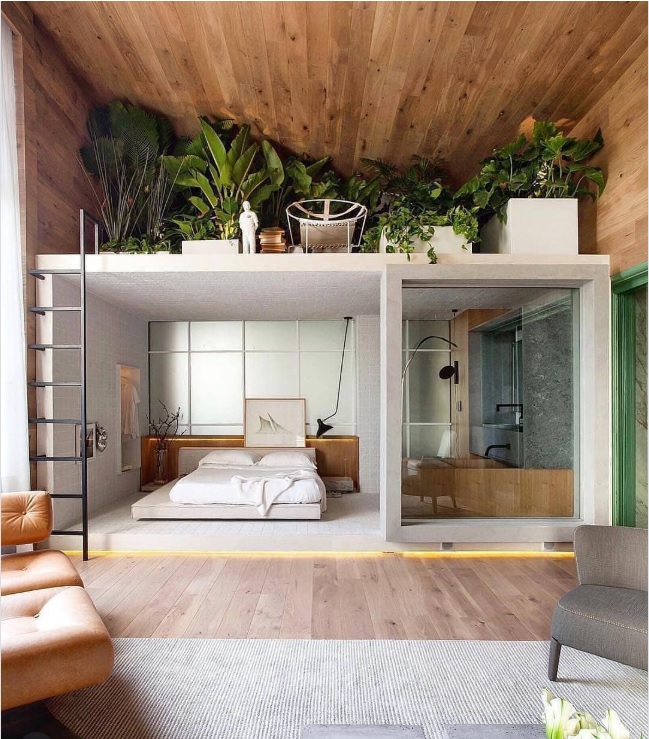
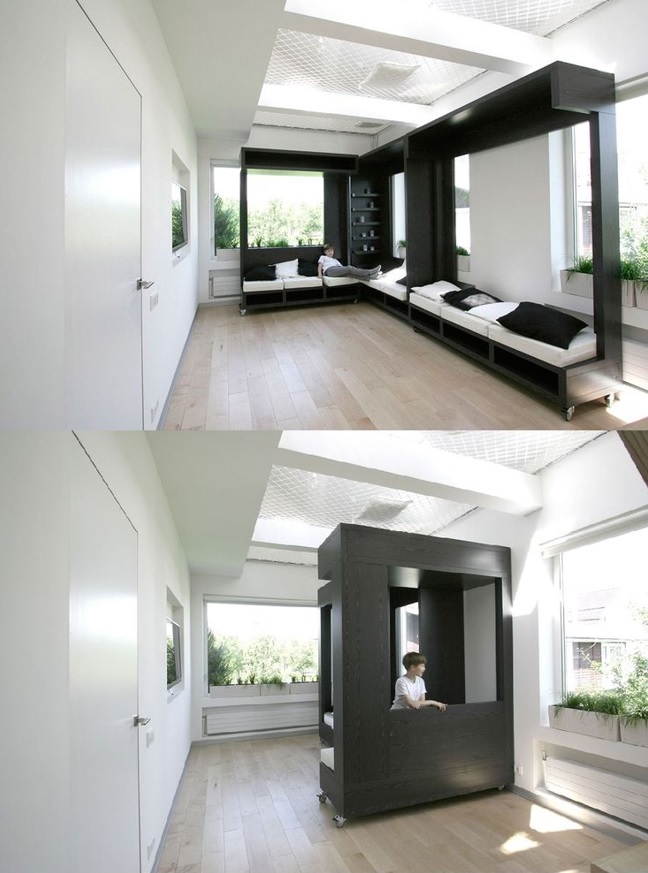
A loft area above a mattress and tub space. Picture: IG @community_journal (left)
Transferring modules to fold away a big couch system. Picture: @pinterest t6omas (proper)
As a substitute of fastened rooms, areas are designed to vary perform — dwelling rooms that convert into workplaces, bedrooms that fold away and consuming areas that broaden or contract as wanted. This hybrid logic addresses trendy dwelling patterns and restricted sq. footage. Multi-purpose interiors profit from each sq. foot by together with adaptable furnishings, sliding partitions and transformable modules. In 2026, this expands past “tiny house hacks.” Builders are incorporating movable partitions into full-size residences, whereas furnishings corporations are designing motorised tables, revolving bookcases and mattresses that disappear into ceilings. The alteration will not be purely aesthetic; it’s based mostly on spatial economics the place one room can now do two or three features with out showing cluttered.
Biophilic and Sensory Design
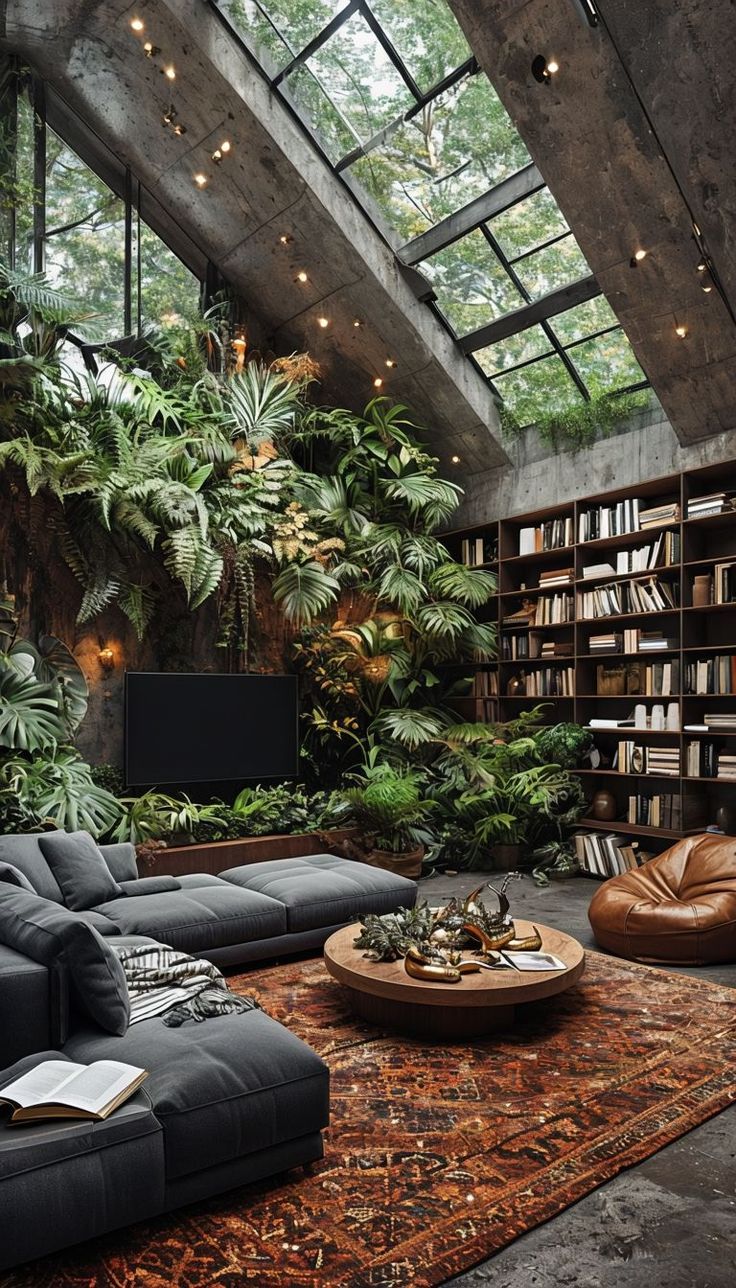
2026 sees the emergence of nature-driven interiors not solely as ornament, but additionally as sensory areas — with vertical gardens, built-in plant techniques, pure mild choreography and mossy and natural palettes that make inside ecology an important element of wellbeing. The transition is from “vegetation in pots” to dwelling architectural techniques like hydroponic inexperienced partitions, indoor courtyards and daylight-optimised layouts. Designers are specializing in how a spot feels — air motion, perfume, humidity and tactile calm — quite than merely the way it seems to be in pictures. It is usually a behavioural shift: houses and workplaces are being constructed to scale back stress and visible noise, permitting for extra concentrated quite than steady stimulus.
Dynamic Color Environments
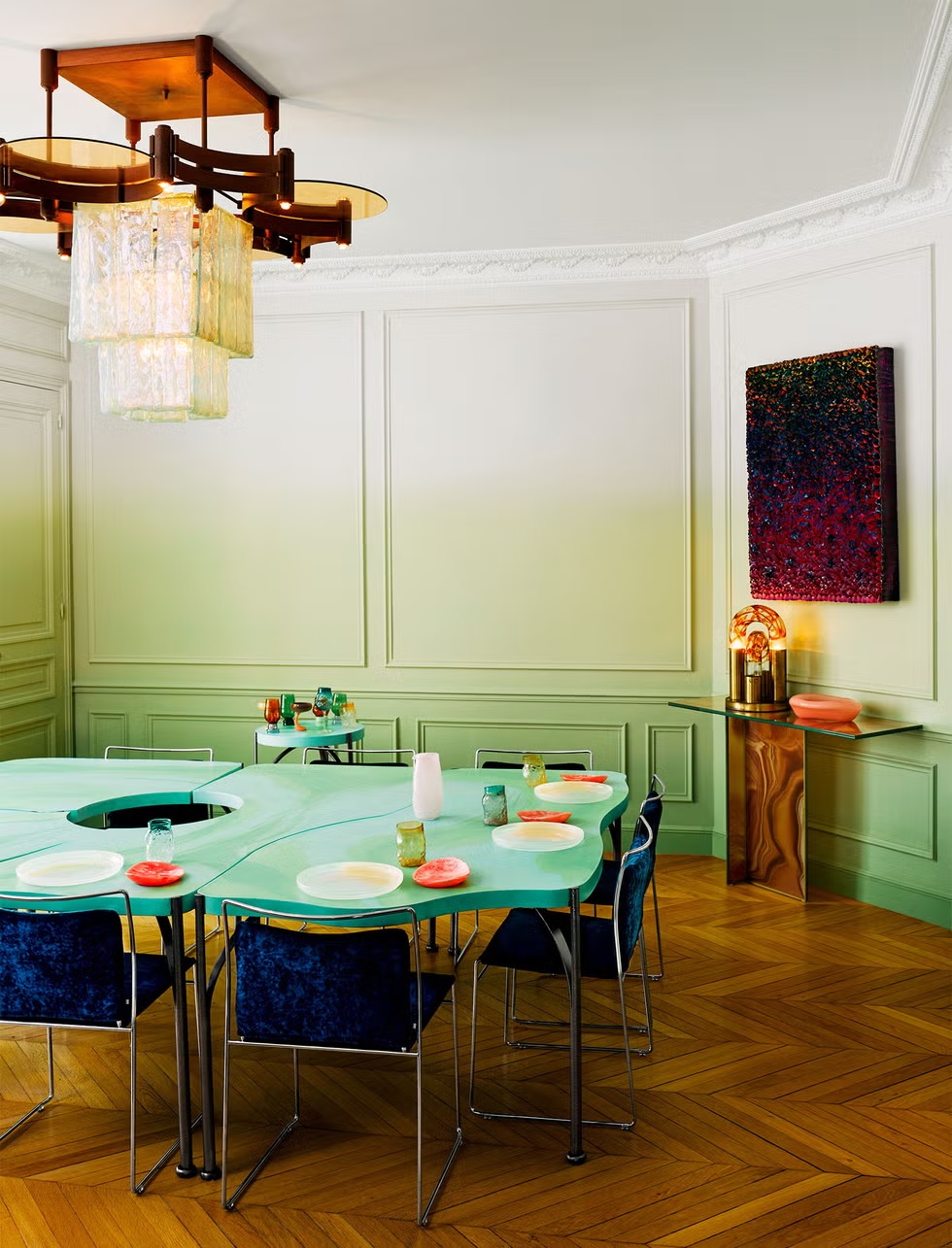
This 12 months, color will not be static; it impacts temper and spatial notion utilizing strategies comparable to color capping (layered gradients throughout surfaces) and daring, surprising hues that alter perceptions of measurement, mild and heat within the atmosphere. Designers are reshaping proportions by wrapping ceilings, skirting, joinery and doorways in a single steady tone as an alternative of portray a characteristic wall. Color turns into a way for visible structure, with darker caps visually reducing a room and brighter bands stretching it. When paired with customisable lighting, the identical room can learn heat and cocooning at night time whereas being sharply outlined through the day. Color more and more influences behaviour, not merely ornament.
Sculptural, Curved Structure
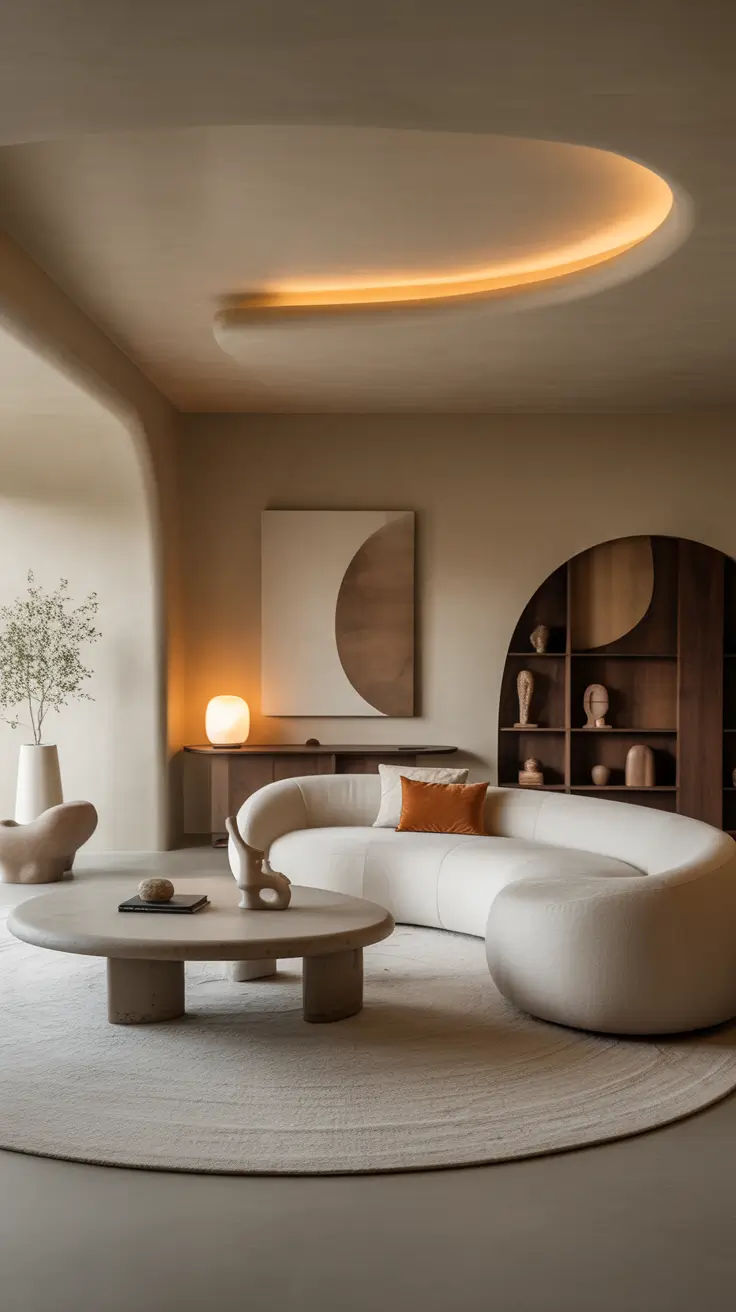
Furnishings and architectural options are evolving into shape-shifting parts, comparable to seating that types social clusters, arches that redirect motion and flowing shapes that change inflexible orthogonal layouts. Curves are employed for extra than simply aesthetic causes; they’ll affect circulation, soften acoustics and visibly broaden confined areas. In 2026, shoppers will see a surge in subterranean round lounges, wave-edged counters, rounded stairwells and thick, sculpted partitions that really feel “carved-in” however not over-designed. The shift is each psychological and spatial: curves delay motion, invite interplay and get rid of the arduous edges related to company minimalism. Properties turn out to be softer, extra tactile areas designed for lingering quite than passing by.
Materials and Texture Drenching
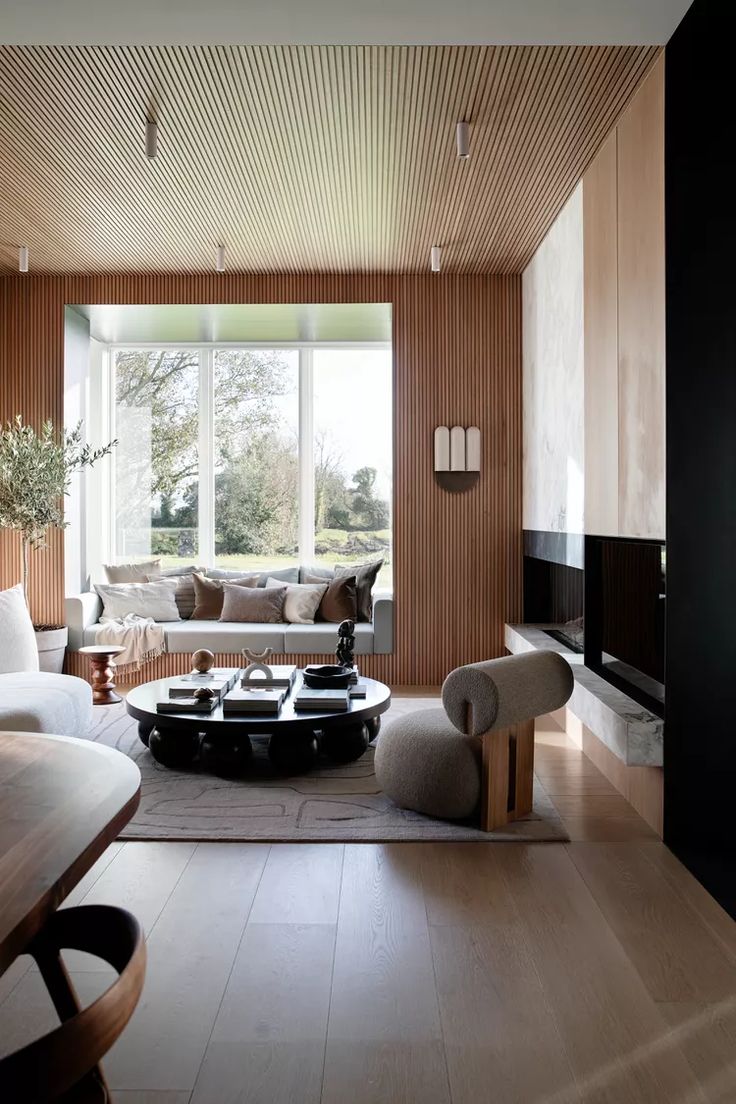
2026 sees interiors embrace immersive materials environments — monolithic plaster, layered woods, textured partitions and tactile surfaces that immerse inhabitants in sensory experiences. Texture replaces sample as the first visible language. Limewash, micro-cement, honed stone and ribbed timber are employed throughout rooms to type steady, cocoon-like shells. The result’s transformative because the room’s id is set by really feel quite than ornament. Surfaces learn as matte, chalky, grainy or velvety. As the sunshine adjustments, shadows deepen and shallow, altering the inside gently all through the day. The atmosphere is rarely static; it adjustments alongside the consumer.
Sustainable and Crafted Interiors
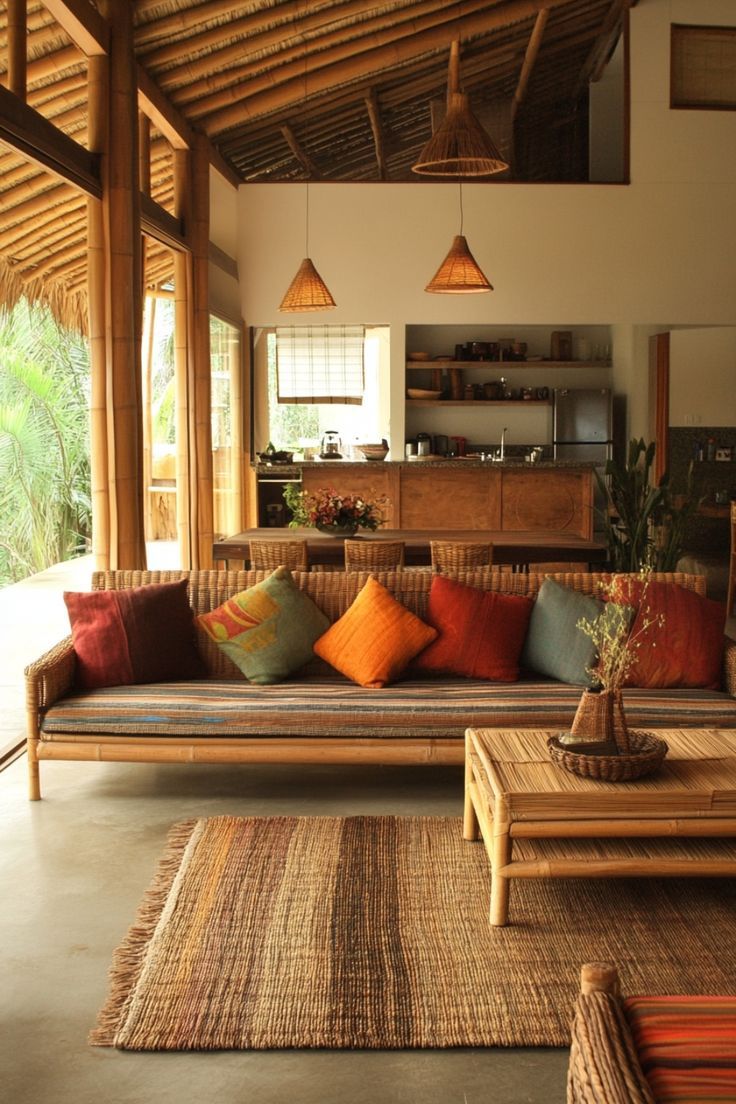
Past sustainable objects, this motion incorporates longevity, artisan craft, salvaged options and eco-materials into inside design DNA, permitting rooms to evolve visually over time by ageing, patina and reuse quite than manufactured “newness”. Designers are requesting lime plaster, reused timber, stone offcuts and classic {hardware} as aware materials options, quite than rustic gestures. As a substitute of being changed, objects are fastened, refinished and handed down. That is disruptive as a result of it suspends the short design cycle fuelled by social media. Properties talk tales by put on, quite than hiding them. Craft reappears as an emblem of worth, not nostalgia.
Configurational Geometry and Versatile Partitions
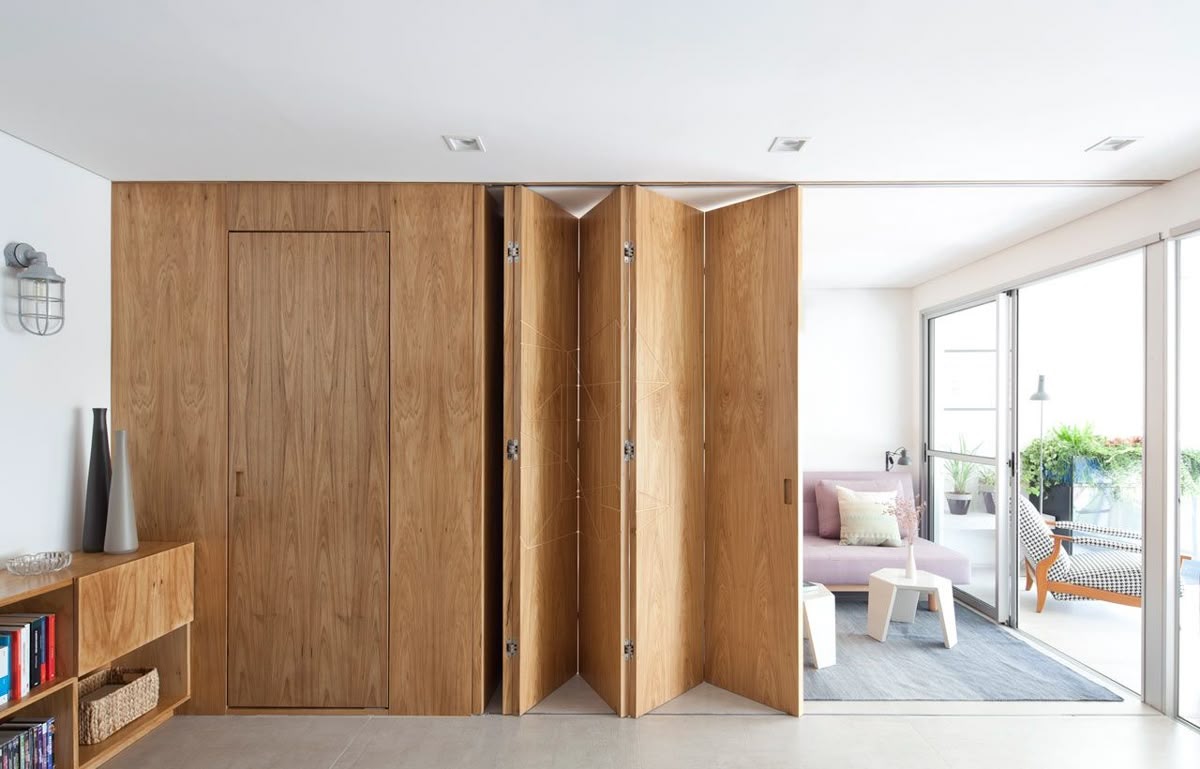
Architectural parts like pocket doorways, folding partitions and versatile screens enable interiors to redefine boundaries on demand — opening rooms for gatherings and shutting them for privateness with out structural overhaul. As a substitute of everlasting partitions, light-weight architectural techniques introduce a toolkit of sliding, stacking and pivoting parts. Households can flip an open-plan dwelling space into three separate workspaces in minutes or merge bedrooms right into a shared play zone. This flexibility adjustments the economics of area: smaller flats carry out like bigger ones. Privateness turns into adjustable, not everlasting — a decisive shift from the open-plan period of the previous decade.
Fad or Operate?
Collectively, these tendencies point out a major shift in inside design — away from set aesthetics and towards rooms that assume, really feel and adapt to the proprietor. Properties are now not static backdrops; as an alternative, they’re dwelling areas that adapt to shifting patterns, improve sensory consolation and age deliberately. Whether or not by versatile layouts, crafted supplies or the serene readability of Cloud Dancer, design in 2026 is much less about impressing and extra about facilitating how one lives. Transformation is greater than a gesture; it’s turning into a related norm in inside design.
For extra house decor reads, click on right here.

