


This text might include affiliate hyperlinks.
When a fleet car will get right into a collision, the restore estimate is often the primary quantity that lands on a supervisor’s desk. A crumpled fender, a totaled cargo van, perhaps an ambulance invoice. However that restore estimate is the tip of a really costly iceberg. The Nationwide Security Council estimates that the typical value of a work-related motorcar crash leading to damage is $75,000—and crashes involving a fatality exceed $1.7 million when all value classes are accounted for (NSC Damage Information). For fleet operations operating on skinny margins, a single severe accident can wipe out 1 / 4’s revenue.
Understanding the total value image isn’t a tutorial train. It’s the distinction between treating security as a line-item expense and recognizing it as a revenue-protection technique.
The Direct Prices You Already Know—and the Ones You Underestimate
Direct prices are the apparent ones: car restore or substitute, medical bills, staff’ compensation claims and insurance coverage deductibles. Most fleet managers observe these as a result of the invoices present up.
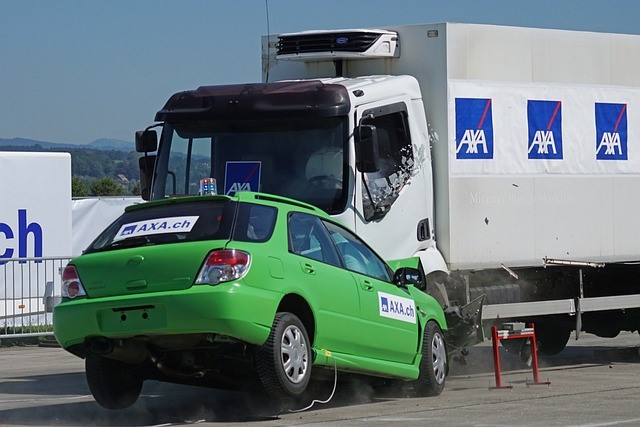
However even inside the “direct” class, the numbers are routinely underestimated. The Bureau of Labor Statistics experiences that transportation incidents accounted for 37.5% of all work-related fatalities in 2022 and stay the main explanation for occupational dying in america (BLS Census of Deadly Occupational Accidents). Staff’ comp claims for these incidents carry a number of the highest common payouts throughout all damage classes, they usually set off expertise modification price will increase that inflate premiums for 3 or extra years after the occasion.
Insurance coverage is the place the compounding begins. A fleet with a poor loss ratio doesn’t simply see larger premiums at renewal. Carriers might impose larger deductibles, exclude sure car lessons or decline to resume altogether—forcing the fleet into surplus traces markets the place protection prices two to a few occasions the usual price. For a 50-vehicle operation, a single dangerous 12 months can add $40,000 to $100,000 in annual insurance coverage prices that persist lengthy after the wrecked truck has been changed.
Oblique Prices: The Multiplier Impact
The Nationwide Security Council makes use of a generally cited multiplier: oblique prices run between 2.1 and 4.5 occasions the direct prices of a office damage. For fleet accidents, that multiplier tends to land on the upper finish due to the operational disruption concerned.
Think about what occurs operationally after a collision takes a car and driver offline:
- Misplaced productiveness: Routes have to be reassigned. If you’re operating a supply fleet, delayed or missed deliveries translate on to buyer dissatisfaction and, in contract logistics, monetary penalties.
- Alternative car prices: Renting a comparable business car on brief discover is dear. A cargo van that prices $45,000 to personal would possibly run $1,500 to $2,000 per 30 days to lease—assuming one is obtainable in your market.
- Driver downtime: An injured driver accumulating staff’ comp remains to be in your payroll in lots of states, and you might be concurrently paying a substitute driver extra time or hiring momentary assist at premium charges.
- Administrative burden: Accident investigation, insurance coverage claims processing, OSHA reporting if relevant, DOT compliance documentation—these hours come out of your security group and operations managers, pulling them away from their main features.
- Reputational injury: A branded car concerned in a severe collision is a unfavorable commercial. Within the age of dashcam footage and social media, one incident can flow into far past the native market.
If you stack these oblique prices towards the direct ones, a $30,000 fender-bender rapidly turns into a $90,000 to $135,000 occasion. A severe damage crash can method half one million {dollars} in whole organizational value.
Authorized Legal responsibility: The place the Actual Publicity Lives
Fleet accidents carry authorized dimensions that non-public car collisions don’t. Two doctrines specifically create important publicity for fleet operators.
Respondeat superior holds employers answerable for the negligent acts of staff carried out inside the scope of their employment. In case your driver runs a purple gentle whereas making a supply, the injured get together can—and virtually definitely will—identify your organization as a defendant. The logic is simple: the motive force was appearing in your behalf, utilizing your car throughout work hours.
Negligent entrustment goes additional. If your organization knew or ought to have identified {that a} driver posed an unreasonable threat—a historical past of shifting violations, a lapsed CDL medical certificates, insufficient coaching on a selected car class—and you set that driver behind the wheel anyway, you face direct legal responsibility for the choice itself. FMCSA rules require carriers to take care of driver qualification recordsdata and conduct common evaluations of motorcar data for precisely this motive (FMCSA Driver Qualification).
When fleet collisions end in severe accidents, the drivers concerned typically want skilled authorized counsel to navigate advanced claims involving a number of insurance coverage insurance policies, employer legal responsibility and potential third-party negligence. Corporations just like the Bruning Legislation Agency usually deal with these multi-party accident circumstances the place figuring out fault and recovering truthful compensation requires understanding each the authorized framework and the operational realities of economic fleet operations. For fleet managers, that is value internalizing: the opposite facet of each severe accident entails an injured particular person with an lawyer who understands these employer legal responsibility doctrines and can use them.
Punitive damages enter the image when a plaintiff can reveal that the fleet operator acted with reckless disregard for security. Permitting a driver with identified substance abuse points to proceed working, ignoring repeated upkeep warnings on brake techniques or pressuring drivers to violate hours-of-service rules—these choices rework a compensatory damages case into one with punitive publicity that may dwarf the underlying declare.
Prevention Methods That Really Transfer the Needle
The excellent news is that fleet accident prevention has turn out to be considerably extra data-driven and efficient over the previous decade. The instruments exist. The query is whether or not your group deploys them persistently.

Telematics and Driver Conduct Monitoring
Fashionable telematics platforms do way over observe car location. They monitor exhausting braking occasions, fast acceleration, cornering forces, rushing incidents and cellphone utilization. The hot button is not simply accumulating this information however constructing a training program round it. Fleets that implement telematics with energetic driver teaching packages usually see 20% to 35% reductions in collision frequency inside the first 12 months. The info additionally turns into your protection in litigation—proof that you just monitored, educated and acted on security issues.
Structured Driver Coaching
Annual defensive driving programs are desk stakes. Efficient packages go additional: vehicle-specific coaching when drivers transition between car lessons, seasonal driving modules for winter and wet-weather situations and scenario-based coaching that addresses the precise dangers of your working surroundings. An extended-haul operation faces completely different threat profiles than an city last-mile supply fleet, and coaching ought to mirror that.
Preventive Upkeep Self-discipline
Tire blowouts, brake failures and lighting deficiencies will not be simply mechanical issues—they’re legal responsibility accelerants. A rigorous preventive upkeep schedule with documented inspections removes one of the widespread negligent entrustment arguments plaintiffs use. Digital car inspection experiences accomplished by drivers firstly of every shift create a paper path that demonstrates organizational dedication to car security.
MVR Monitoring and Hiring Requirements
Pull motorcar data a minimum of yearly—quarterly for drivers working Class A and B autos. Set clear thresholds for violations that set off retraining, reassignment or termination. Doc each choice. The fleet that may present a jury its written security coverage, constant enforcement historical past and proactive driver administration stands in a basically completely different place than one that can’t.
The ROI Calculation Fleet Managers Ought to Be Making
A complete fleet security program—telematics, coaching, upkeep techniques, MVR monitoring—may cost a little $1,500 to $2,500 per car per 12 months. For a 50-vehicle fleet, that’s $75,000 to $125,000 yearly. Set that towards the whole value of even one severe accident, and the maths isn’t shut.
However the ROI extends past accident avoidance. Fleets with sturdy security data entice higher insurance coverage charges, retain drivers longer in a decent labor market, expertise much less car downtime and face fewer regulatory complications. Security efficiency is more and more a consider successful contracts with enterprise prospects who audit their transportation companions.
Fleet accidents will not be a price of doing enterprise. They’re a price of doing enterprise poorly. The organizations that deal with security funding as a aggressive benefit—not a compliance obligation—are those that shield their margins, their individuals and their status over the long run.

