


You might be about to show a 2015 Yamaha V Star 650 right into a clear, stripped-down bobber. You begin with a strong platform that makes use of an air‑cooled engine and shaft drive, which makes the bike easy and reliable. That sturdy base helps you to take away the additional elements and form the bike into one thing decrease, lighter, and extra private.
You’ll use common elements, fundamental instruments, and a few hands-on downside fixing to make every thing match. You take away manufacturing facility items, check new elements, and alter as wanted till the bike takes on its new kind. You deal with good modifications that enhance the look, cut back weight, and nonetheless mean you can return the bike to inventory when you select.
Key Takeaways
- You select a easy and dependable cruiser as the bottom for a {custom} construct.
- You take away manufacturing facility elements and match common parts with cautious planning and hands-on work.
- You cut back weight, reuse elements properly, and form the bike right into a clear solo setup.
Selecting the Greatest Yamaha V Star 650 for Your Bobber Undertaking
Confirmed Sturdiness and Easy Design
You desire a bike that works each time you hit the starter. The V Star 650 provides you that with its air-cooled engine and shaft drive. You keep away from further complexity, and also you get a setup that stays easy and simple to handle.
You additionally get a structure that is sensible. The design stays easy, which helps whenever you begin eradicating elements and altering the look. You don’t battle the bike whilst you construct it.
On this platform, you possibly can unbolt the rear part with out slicing the body. That saves time and retains your choices open when you ever wish to return it to a two-seat setup.
Key options you’re employed with:
- Air-cooled V-twin engine
- Shaft-driven rear finish
- Bolt-on rear subframe part
- Clear, fundamental body structure
Why This Bike Works So Properly for Customized Builds
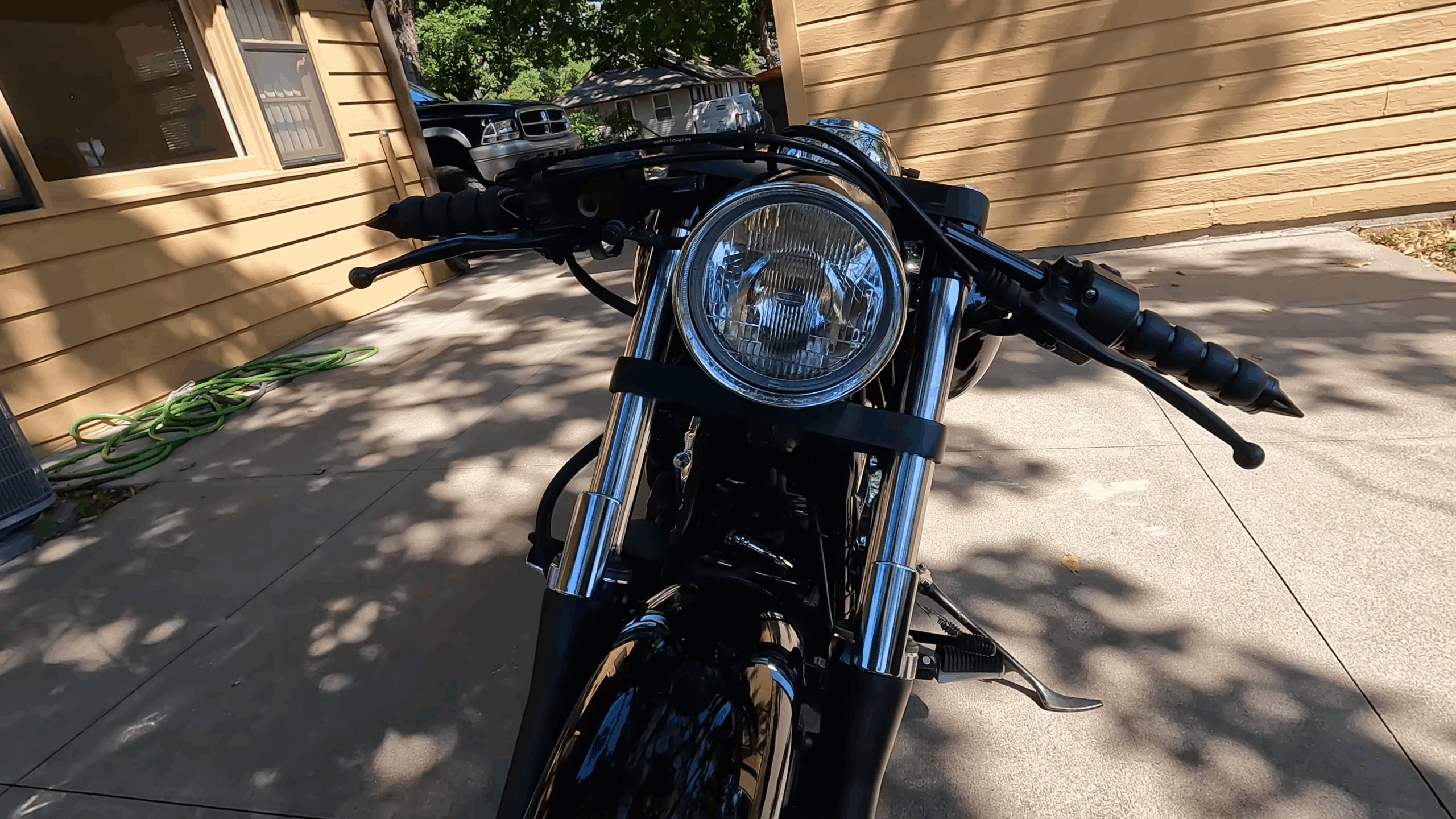
You may strip this bike down quick. Begin on the again, take away the manufacturing facility seat, rear fender, lights, and indicators, and the body already seems to be prepared for a bobber stance.
Whenever you step again and take a look at the naked body, you see sturdy cross members that offer you strong mounting factors. You may drill and bolt your solo seat bracket proper to the body. You form and bend the seat pan as wanted, then line it up with the prevailing holes within the cross members.
You don’t get step-by-step directions with common elements. You utilize fundamental instruments, alter the seat pan, drill your mounting holes, and make it suit your body. Each bike sits a bit of totally different, so that you depend on your judgment and match every thing by hand.
The V Star 650 provides you room to:
- Run a solo bobber seat with springs
- Mount a license plate and tail gentle to the swingarm axle
- Set up clip-on handlebars for a low stance
- Take away elements with out slicing the principle body
You may construct it the way in which you need. The body form, tank place, and cross members offer you sufficient construction to mount {custom} elements with out heavy fabrication.
Mapping Out Your Bobber Construct
You begin with a strong base. The 2015 V Star 650 provides you an air‑cooled engine and a shaft drive, which retains the setup easy and dependable. That makes it a powerful platform for a stripped-down bobber.
You order a stack of common elements and plan to make them work. You don’t depend on directions. You utilize fundamental instruments, clear steps, and a little bit of creativity to form every thing to your bike.
Selecting Common-Type Bobber Parts
You decide generic, common elements so you possibly can form the bike the way in which you need. You don’t restrict your self to 1 fashion.
Your most important elements embody:
- Solo bobber seat with spring mounts
- Clip-on handlebars for a low driving place
- 1-inch grips to match the bars
- Swingarm-mounted license plate bracket with built-in tail gentle
You perceive that common elements hardly ever bolt on with out modifications. You count on to bend, drill, or trim items in order that they suit your body.
You additionally know each bike differs in:
- Tank form and mounting factors
- Rear body structure
- Suspension setup
- Drivetrain design
You construct round what your body provides you. On this V Star 650, the rear part unbolts cleanly, so you do not want to chop the body. That allows you to return the bike to inventory later when you preserve your unique elements.
You take away manufacturing facility seats, rear fender, lights, indicators, handlebars, and different elements you do not want. You clear the bike all the way down to the core so you possibly can see the ultimate form earlier than mounting new elements.
Making a Clear Construct Plan
You’re employed from the again of the bike towards the entrance. That retains the method organized and simple to handle.
You test-fit every half earlier than drilling or mounting something. For the solo seat, you:
- Maintain the seat pan in place
- Verify the angle towards the tank and body
- Modify bends within the base plate
- Flatten wing tabs if wanted
- Mark precise mounting factors
You modify the seat pan so it sits stage and follows the body strains. You take away undesirable bends and flatten tabs utilizing easy instruments. You drill mounting holes solely after you verify alignment with the body cross members.
Your strategy stays direct:
- Place the half.
- Modify the metallic to match the body.
- Mark mounting factors.
- Drill and safe.
You settle for that there aren’t any step-by-step directions. You depend on fitment checks and small changes till every thing strains up.
You construct the bike to match your imaginative and prescient. You deal with this course of as a information, not a strict formulation, and form every half to suit your motorbike.
Taking Off the Authentic Elements
Eradicating the Manufacturing facility Seat and Rear Fender
You begin on the again and work your approach ahead. You take away the inventory seats first, together with the bar you added earlier.
Subsequent, you unbolt the subframe and pull off the rear fender. You additionally take off the rear flip indicators and tail gentle. All of that comes off as a result of you’ll not reuse it on this construct.
Whenever you take away the subframe, you discover one thing vital. The body ends cleanly, so you do not want to chop it. On this V 650, you merely unbolt the rear part as an alternative of utilizing a noticed.
Which means it can save you each half you take away. For those who ever wish to return the bike to a two-seat setup, you possibly can bolt every thing again on.
Elements faraway from the rear:
- Inventory seats
- Rear fender
- Rear flip indicators
- Tail gentle
- Subframe
You set all these elements apart so you possibly can field them up later.
Eradicating the Inventory Handlebars and Entrance Indicators
After clearing the rear, you progress to the entrance of the bike. You take away the manufacturing facility handlebars, grips, and controls.
You additionally take off the entrance flip indicators. This construct won’t use flip indicators.
With the bars and indicators gone, the highest of the bike opens up. Now you can image the place the clip-on handlebars will sit and the way low the entrance finish will look.
At this stage, you’ve got stripped off each manufacturing facility half that you simply plan to exchange. The bike now reveals a transparent define of the bobber path you might be constructing towards.
Becoming the Solo Bobber Seat
Shaping the Seat Base Plate
You begin with the metallic base plate that comes with the solo seat. It has a small bend in it, two rear studs for the springs, a entrance gap, and small facet tabs.
Whenever you maintain it on the body, you see the angle doesn’t match the bike. You could flatten that bend so the plate sits stage within the spot you need, with the entrance tongue sliding just below the tank.
Set the plate on rags on the bottom and press it flat with regular strain. Use pliers or channel locks with a rag to bend the facet tabs in order that they sit straight and flush with the highest of the plate.
When you take away these bends, the plate strains up a lot better with the body rails and cross members.
Drilling and Positioning the Mounting Factors
You select the entrance cross member between the body rails as your entrance mount. Mark the precise spot, then drill a clear gap by that cross member.
With the plate in place, run a bolt by the entrance to carry it in place. This locks in your entrance mounting level.
For the rear, use the prevailing gap within the rear cross member. With the plate bolted within the entrance, mark the underside of the plate the place it strains up with that rear gap.
Take away the plate and drill a gap at your mark. Set the plate again in place and run a bolt by the rear gap into the body. Now the pan sits safe at each mounting factors.
Attaching the Springs and Seat {Hardware}
The seat itself has two rear studs for the springs and two entrance studs for the hinge bracket. Set up the entrance bracket onto the seat utilizing the provided washers and nuts.
Slip the springs over the rear studs on the seat. The springs will later sit over the matching studs on the bottom plate.
Tighten the nuts and washers so the springs keep in place however nonetheless enable motion. With the entrance and rear bolts in place and the springs aligned, the solo seat mounts strong to the body and follows the strains of the bike.
Refreshing the Rear Gentle and Plate Mount
You take away the inventory rear gentle and indicators, so that you want a brand new method to run the brake gentle and maintain the plate. I take advantage of a common plate bracket that has a built-in tail gentle. It mounts on the rear axle on the swing arm.
This half doesn’t include directions. You make it work with easy instruments and cautious becoming.
Connecting the Wires to the Bike
You route the brand new tail gentle wires towards the manufacturing facility harness. The unique rear gentle wiring stays on the bike after you strip the fender.
Match the floor, operating gentle, and brake gentle wires from the brand new unit to the bike’s harness. Hold the wiring clear and tight alongside the body.
- Use strong connections
- Safe the wires so they don’t rub
- Hold them away from shifting elements
You verify the brake and operating gentle earlier than you button every thing up. Ensure each features work as they need to.
Securing the Bracket to the Rear Axle
You place the license plate bracket on the swing arm axle bolt. The bracket slides into place at that mounting level.
Line it up so the plate sits straight and clears the wheel. Then tighten the axle {hardware} again all the way down to lock it in place.
This setup retains the rear clear and easy. It suits the stripped-down look and removes the cumbersome manufacturing facility fender and light-weight meeting.
Putting in Low Clip-On Bars and New Grips
Dropping the Fork Tubes for Bar Mounting
You mount the clip-on handlebars on to the fork tubes. To do this, you loosen the higher triple tree and decrease the forks barely so the bars can slide into place.
You set the clip-ons on the peak you need, which retains the entrance finish low. This setup provides you that low, stretched look you’re after on a bobber construct.
Ensure either side sit on the similar peak. Tighten every thing evenly so the bars keep safe and aligned.
Mounting the Controls and Grips
You slide the 1-inch grips onto the brand new clip-on bars. These common grips match the bars you ordered, in order that they go on with out particular adapters.
Subsequent, you reinstall the throttle, clutch lever, and entrance brake controls. You place every management so your fingers relaxation naturally whenever you sit on the bike.
Modify the angle earlier than you tighten the clamps. As soon as every thing feels proper, lock it down so nothing shifts whilst you trip.
Adjusting Cable Routing for Easy Operation
After you decrease the bars, you verify all cables and features. The brand new place modifications their path, so that you reroute them as wanted.
Ensure the throttle cable strikes freely from lock to lock. Do the identical for the clutch cable and entrance brake line.
Flip the bars totally left and proper and ensure nothing binds or pulls tight. Clear routing retains your controls clean and dependable.
Remaining Setup and Element Work
Locking Each Half in Place
You bolt the seat plate to the body when you drill the entrance and rear holes. The rear bolt runs by the cross member with the manufacturing facility gap, and the entrance bolt passes by the brand new gap you drilled. Tighten each so the plate sits agency and flat.
You connect the seat to the plate utilizing the entrance hinge bracket and the 2 mounting studs beneath the seat. Then you definitely set up the rear springs over the studs and safe them with washers and nuts. Ensure the seat strikes because it ought to however doesn’t shift facet to facet.
You mount the clip-on handlebars onto the forks and set them on the peak and angle you need. Slide on the 1-inch grips and reinstall the controls so every thing strains up and feels pure in your fingers.
You place the swingarm-mounted license plate bracket on the axle bolt. Safe it so the plate and built-in tail gentle sit straight and tight.
Conserving the Wiring Clear and Tidy
You take away the flip indicators and any further lighting you don’t plan to make use of. That leaves fewer wires to handle and retains the bike stripped down.
Route the remaining wires alongside the body in order that they keep out of sight. Observe the body rails and safe the wiring so nothing hangs free or rubs towards shifting elements.
Verify that the tail gentle wiring reaches the brand new license plate mount with out pressure. Hold the runs quick and direct to match the clear bobber look.
Funds and Elements Weight Discount
### Full Elements Value Breakdown
You supply easy, common bobber elements from eBay to maintain this construct inexpensive. You select generic parts as an alternative of custom-made items.
Elements used:
- Common solo bobber seat (black alligator texture)
- Seat base plate with springs and mounting {hardware}
- Clip-on handlebars
- 1-inch grips
- Swingarm-mounted license plate bracket with built-in tail gentle
You utilize affiliate hyperlinks for this stuff. When somebody buys by these hyperlinks, you obtain a small fee. You may select totally different elements if you need a special look. You aren’t locked into this precise setup.
### Measuring the Weight You Reduce
You take away the manufacturing facility seats, rear fender, flip indicators, tail gentle, handlebars, grips, controls, and different inventory elements. You additionally plan to incorporate the manufacturing facility exhaust within the eliminated pile.
You retain each half you’re taking off. On the finish, you place all of them in a field and weigh them.
This allows you to see precisely how a lot weight you eliminated in the course of the bobber conversion. You deal with actual numbers by weighing the inventory elements as an alternative of guessing.
Promoting the Inventory Elements You Take away
Posting Your Take-Off Elements On-line
After you strip the bike down, you’ll have a strong stack of manufacturing facility elements sitting on the ground. You take away the seats, rear fender, flip indicators, tail gentle, handlebars, grips, controls, and even the exhaust.
You may field up every thing you’re taking off and record it on the market on-line. I take advantage of eBay, and I share affiliate hyperlinks for the elements I purchase. You are able to do the identical whenever you promote your inventory parts.
Checklist every merchandise clearly and separate them so consumers know precisely what they get. Widespread elements you possibly can promote embody:
- Manufacturing facility seats
- Rear fender
- Flip indicators
- Tail gentle
- Handlebars and grips
- Controls
- OEM exhaust system
Hold your {hardware} collectively and label it. That makes transport simpler and helps keep away from confusion.
Getting the Most from Your Authentic Parts
You do not need to chop the body on this V Star 650. You merely unbolt the rear part. Which means it can save you each inventory half and return the bike to a two-seater later if you need.
That additionally protects the worth of your unique parts.
Whenever you preserve the take-off elements in good condition, you give your self two clear choices:
| Possibility | What You Can Do |
|---|---|
| Reinstall later | Convert the bike again to inventory kind |
| Promote individually | Get better a few of your construct value |
It’s also possible to weigh the eliminated elements collectively, together with the exhaust, to see how a lot weight you dropped. That provides you a transparent view of what modified in the course of the construct.
For those who keep organized and preserve every thing intact, you flip your leftover manufacturing facility elements into helpful belongings as an alternative of scrap.
Full Bobber Construct Overview
You’re taking a 2015 V Star 650 and strip it all the way down to the core to form a clear bobber. You begin with a strong base: an air‑cooled engine and a shaft drive that preserve the design easy and reliable.
You order common elements and plan to make them suit your bike.
Elements used on this construct:
- Common solo bobber seat
- Clip-on handlebars
- 1-inch grips
- Swingarm-mounted license plate bracket with built-in tail gentle
You take away the manufacturing facility seats, rear fender, tail gentle, flip indicators, and put in crash bar. Then you definitely transfer ahead and pull the bars, grips, controls, and entrance indicators. You don’t run flip indicators on this setup.
Whenever you unbolt the rear subframe, the body ends cleanly. You do not want to chop it. That saves time and allows you to return the bike to a two-up setup later when you preserve the inventory elements.
After stripping the bike, you lay out every thing you eliminated. You intend to field it up and weigh it, together with the manufacturing facility exhaust, to see how a lot weight you dropped.
Solo Seat Setup and Mounting Plan
You’re employed with a bobber seat equipment that features:
| Part | Particulars |
|---|---|
| Base plate | Slight bend, entrance mounting gap, rear spring studs, facet tabs |
| Seat | Two entrance studs, two rear studs for springs |
| Springs | Mount to rear studs with washers and nuts |
The seat makes use of a entrance hinge-style mount and rear springs. The feel is a black alligator sample, which provides a novel look.
You test-fit the bottom plate and see the bend doesn’t match the body. You flatten the plate by stepping on it over rags. You straighten the facet tabs with pliers and channel locks.
For mounting:
- You drill a gap within the entrance cross member to safe the entrance of the plate.
- You utilize an present gap within the rear cross member to mount the again.
- You mark the plate fastidiously earlier than drilling to line it up with the body gap.
This strategy retains the seat low and aligned with the tank. You depend on easy instruments and cautious measuring to make common elements suit your particular body.

