


This text might comprise affiliate hyperlinks.
Driver-assist know-how has modified how folks drive. Options like adaptive cruise management, lane-keeping and computerized emergency braking make driving simpler. Nevertheless, when a crash happens and a driver says, “The automobile was driving,” it complicates issues. Insurers, police and juries need to know who’s accountable—the driving force, the know-how or each?
In most accidents with driver-assist techniques, human selections are key: consideration, velocity, street situations and correct use of the know-how. Some crashes elevate issues concerning the know-how’s limits or design points. In case you are injured and the opposite celebration blames the know-how, it could be time to seek the advice of with an skilled automobile accident lawyer like these in Deer Park, Texas, to assist decide the legislation’s expectation for drivers and when a producer may additionally be liable.
Driver Help vs. Self-Driving: A Essential Distinction
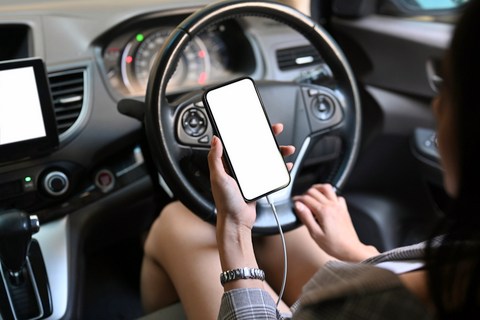
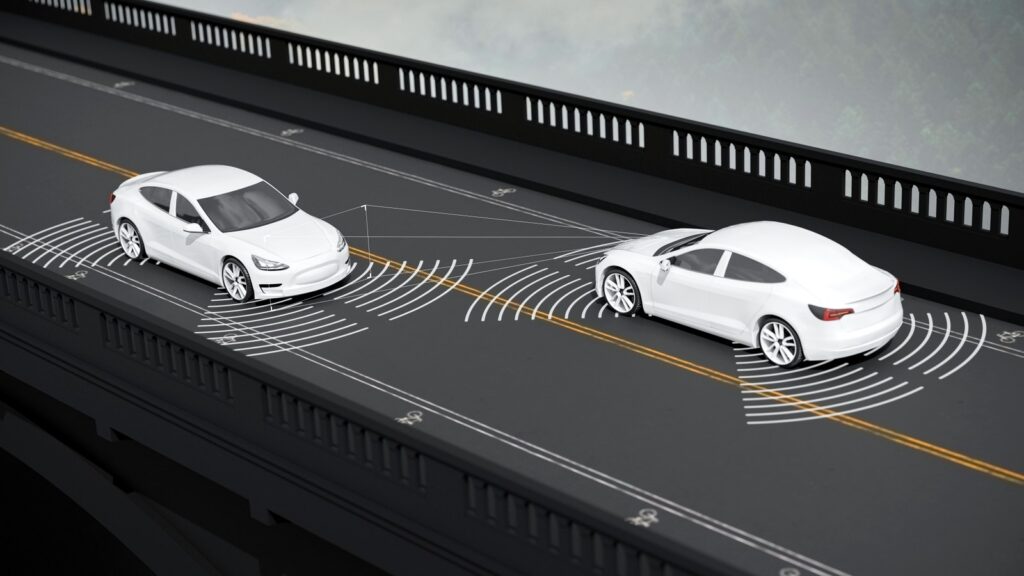
Most automobiles on the street right this moment will not be absolutely self-driving. Many techniques are known as driver-assist, which suggests they might help with steering, braking or sustaining velocity. Nevertheless, the driving force nonetheless wants to look at and be able to take management at any time. [Ed. note: Autopilot is Tesla’s trademarked advamced driver-assistance system, which is used here generically.]
That is vital as a result of drivers usually belief these techniques an excessive amount of. Advertising phrases can create a false sense of confidence. Legally, the driving force is normally liable for driving safely until the automobile is in a acknowledged autonomous mode with clear guidelines about duty.
The Default Rule: Drivers Normally Stay Accountable
Sometimes, the driving force is taken into account liable for controlling the automobile. If a automobile hits one other from behind whereas utilizing cruise management or drifts into a unique lane with lane help on, the driving force is normally blamed, particularly in the event that they weren’t watching the street.
Insurance coverage corporations usually argue that the driving force misused the system or wasn’t attentive, particularly in difficult conditions like building zones or heavy rain. Even when the system performed a job, the driving force’s inattention is normally the principle concern.
When Tech Turns into A part of Fault Evaluation
Know-how turns into vital in authorized instances when it impacts how an accident occurred or what the driving force thought the system would do. If a driver-assist characteristic misses a stopped automobile, brakes too late, or makes an sudden flip, this habits might be a part of the investigation.
Nevertheless, this doesn’t routinely imply the driving force isn’t at fault. The important thing query is whether or not the driving force acted fairly primarily based on what the system can and can’t do. On this scenario, warnings, manuals and on-screen messages can play an vital function.
Frequent Crash Eventualities Involving Driver Help
Sure patterns present up repeatedly in driver-assist crashes:
- Rear-end impacts the place adaptive cruise management fails to sluggish in time
- Lane departure crashes happen when lane protecting drifts or disengages unexpectedly
- Intersection collisions the place drivers assume the system will “see” cross visitors
- Building zone crashes the place lane markings confuse sensors
- Low visibility crashes the place rain, fog, solar glare or filth blocks cameras/radar
- Stopped-object crashes the place techniques wrestle with stationary hazards
What “Misuse” Appears to be like Like in Actual Life
Misuse doesn’t all the time imply reckless habits. It will possibly imply regular habits that turns into unsafe when paired with over-reliance on tech, reminiscent of:
- Taking your fingers off the wheel for prolonged durations
- a cellphone as a result of the automobile feels “in management.”
- Utilizing help options on roads they aren’t designed for
- Ignoring repeated prompts to retake management
- Failing to take care of a protected following distance whereas trusting the system to brake
When the Producer (or Tech) Might Share Fault
There are conditions the place legal responsibility might prolong past the driving force, notably when there may be proof of a defect, insufficient warnings or deceptive design. Examples embrace:
- A system that behaves unpredictably beneath regular anticipated situations
- A design that encourages over-trust with out sufficient safeguards
- A failure to warn clearly about recognized limitations
- A malfunction linked to software program updates or sensor defects
- A sample of comparable failures documented in complaints, remembers or investigations
The Function of Upkeep, Calibration and Repairs
Driver-assist techniques depend on sensors and cameras that have to be correctly calibrated. After a windshield alternative, bumper restore, collision and even sure alignments, sensors may have recalibration. If a store fails to calibrate correctly, system efficiency might be affected.
Which means legal responsibility may contain a 3rd celebration, reminiscent of a restore facility, if poor work or skipped calibration contributed to the crash. Upkeep data can turn out to be vital proof in these disputes.
Proof That Issues in Autopilot/Help Crashes
As a result of these instances contain know-how, proof must be preserved shortly. Useful proof can embrace:
- Car occasion information (velocity, braking, steering enter)
- Driver-assist standing logs (engaged/disengaged, warnings)
- Dashcam footage or onboard digicam recordings
- Cellphone data (to evaluate distraction allegations)
- Restore/calibration data
- Crash scene photographs and roadway situations
- Witness statements describing driving habits earlier than influence
Comparative Fault: When Extra Than One Social gathering Shares Blame
Each the driving force and the know-how supplier can share duty. For example, a driver may rely an excessive amount of on a system that unexpectedly fails.
In these instances, the main target is on demonstrating every celebration’s function and maximizing protection, particularly when accidents are severe and damages exceed a single insurance coverage coverage’s limits.
What Injured Folks Ought to Do After a Driver-Help Crash
Should you have been injured in a crash involving driver-assist options, the very best steps are much like any damage case—however with added consideration to preserving tech proof:
- Search medical care promptly and comply with up constantly
- {Photograph} all automobiles, street markings and visibility situations
- Request the police report and observe any tech-related statements
- Keep away from hypothesis on the scene about what the system “did”
- Protect your automobile if you happen to personal it and don’t authorize repairs too shortly
- Hold restore estimates, towing data and insurance coverage communications
Tech Adjustments the Story, Not the Want for Accountability
Driver-assist techniques could make driving simpler, however they don’t take away your duty if one thing goes unsuitable. In lots of accidents, the driving force remains to be at fault as a result of they need to supervise, and make protected selections. Typically, know-how issues or defects can result in extra legal responsibility, requiring cautious investigation.
If a driver-assist system is concerned, the scenario isn’t nearly “who hit whom.” It’s concerning the actions of the driving force and the automobile, and whether or not the know-how labored as anticipated. Gathering the suitable details makes it clearer who’s accountable and search compensation.

