


Should you construct it at value parity, they are going to purchase
- Value parity between EVs and ICE autos is broadly thought-about to be a serious tipping level for EV adoption. Harbinger Motors claims to have reached that tipping level—a minimum of for the Class 4, 5 and 6 industrial autos that the corporate sells.
- Harbinger CEO John Harris tells us that his firm is ready to promote EVs at such low costs as a result of it owns all of the IP related to its elements, and is ready to preserve a provide chain just one or two layers deep, minimizing the margins paid to suppliers.
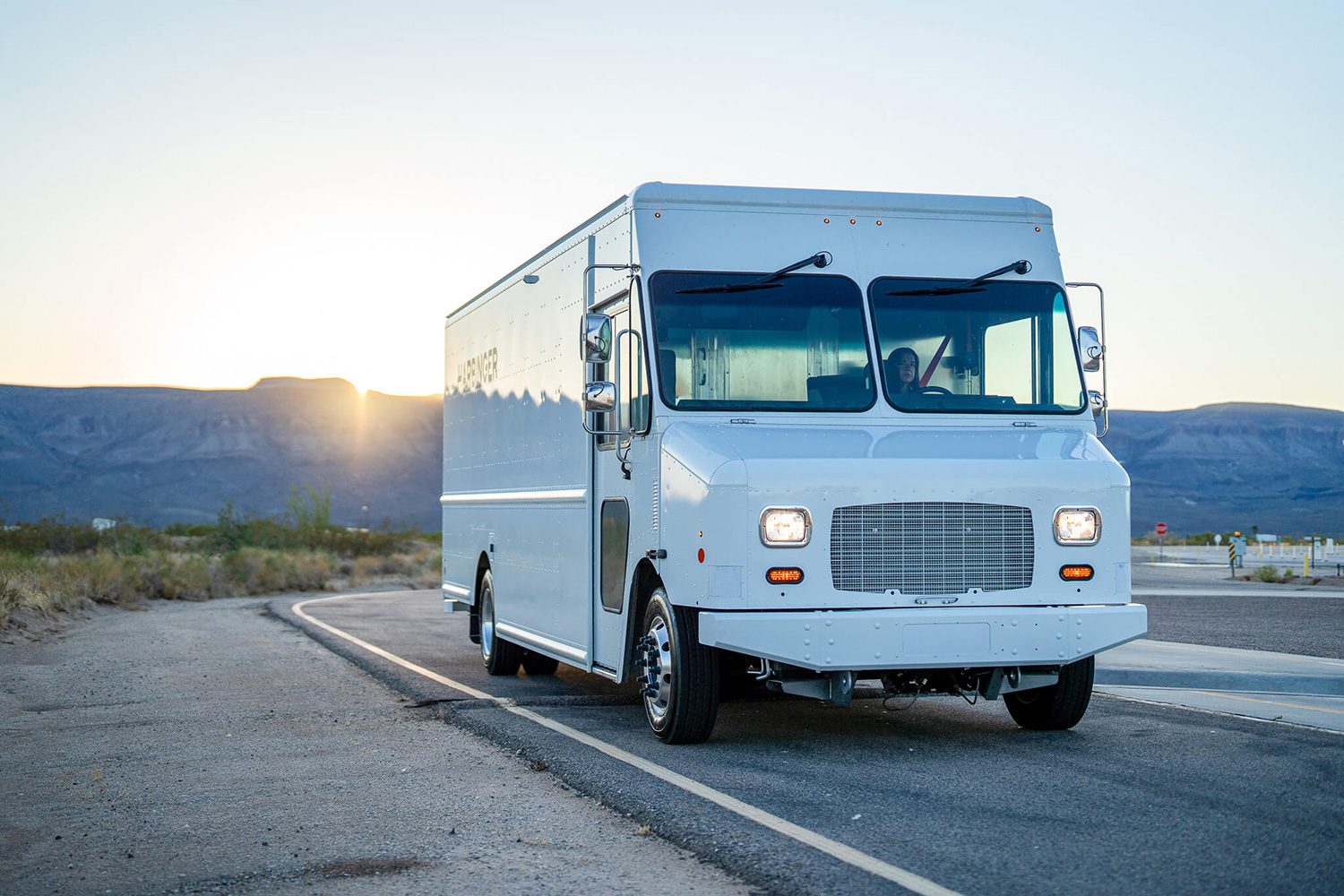
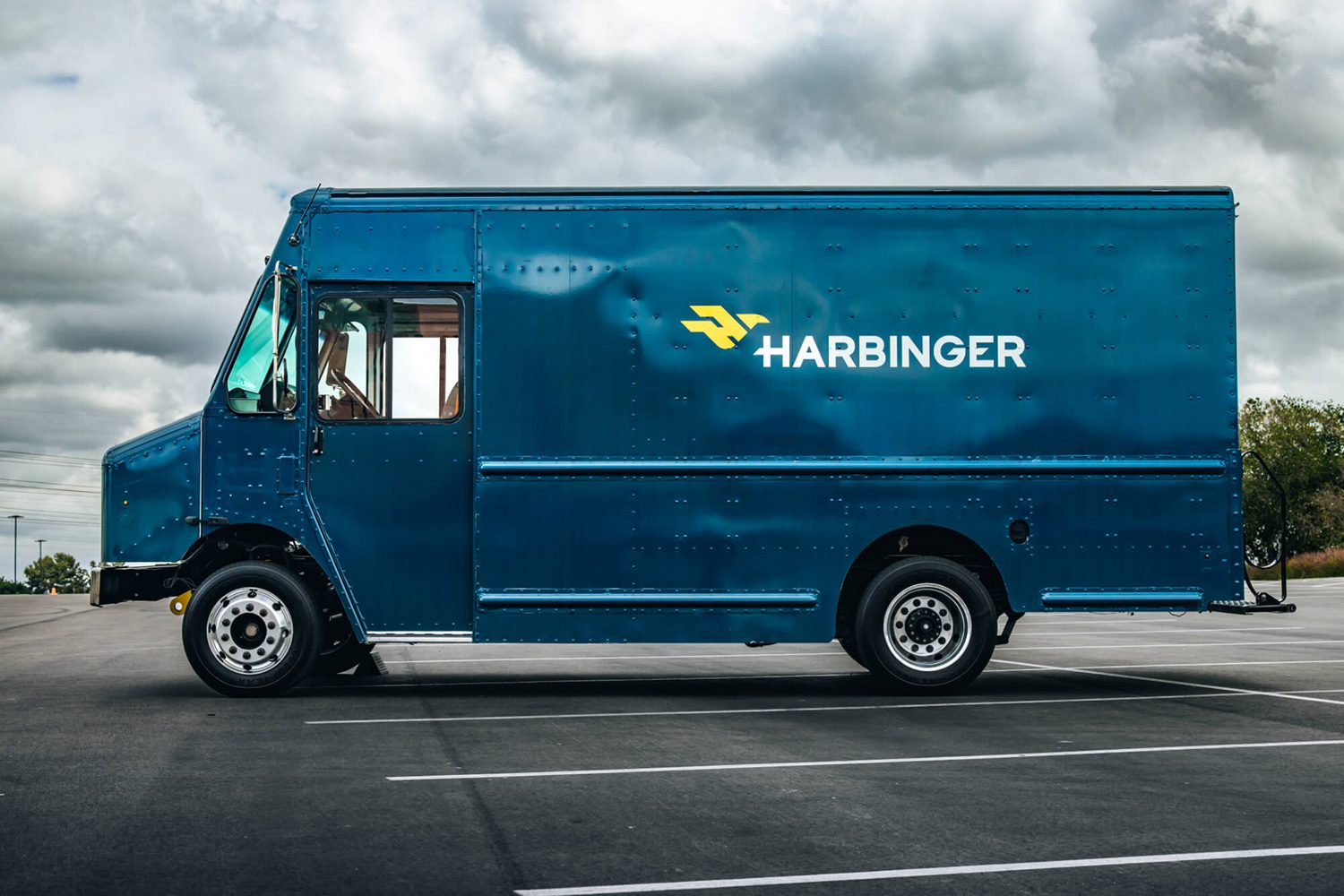
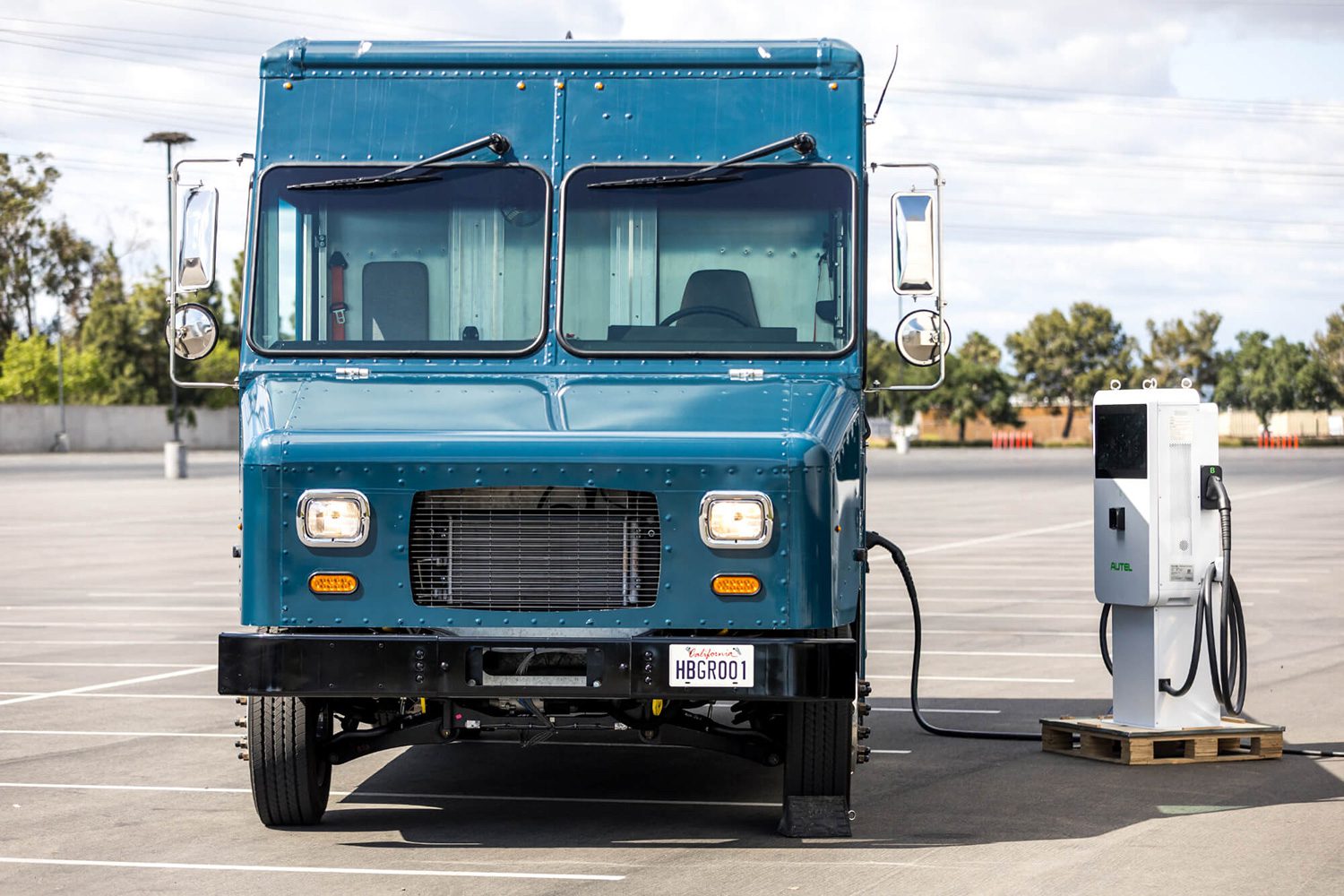
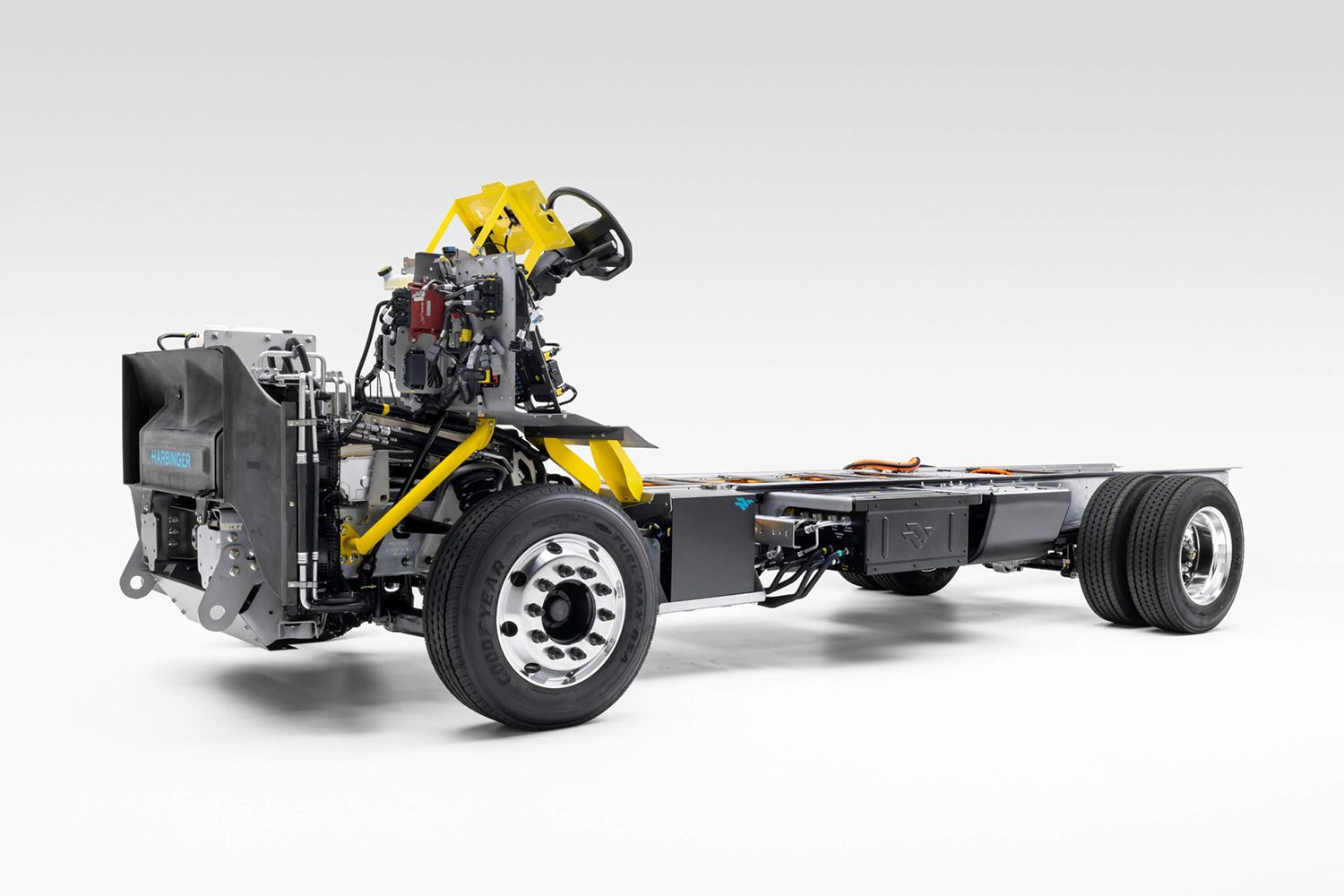
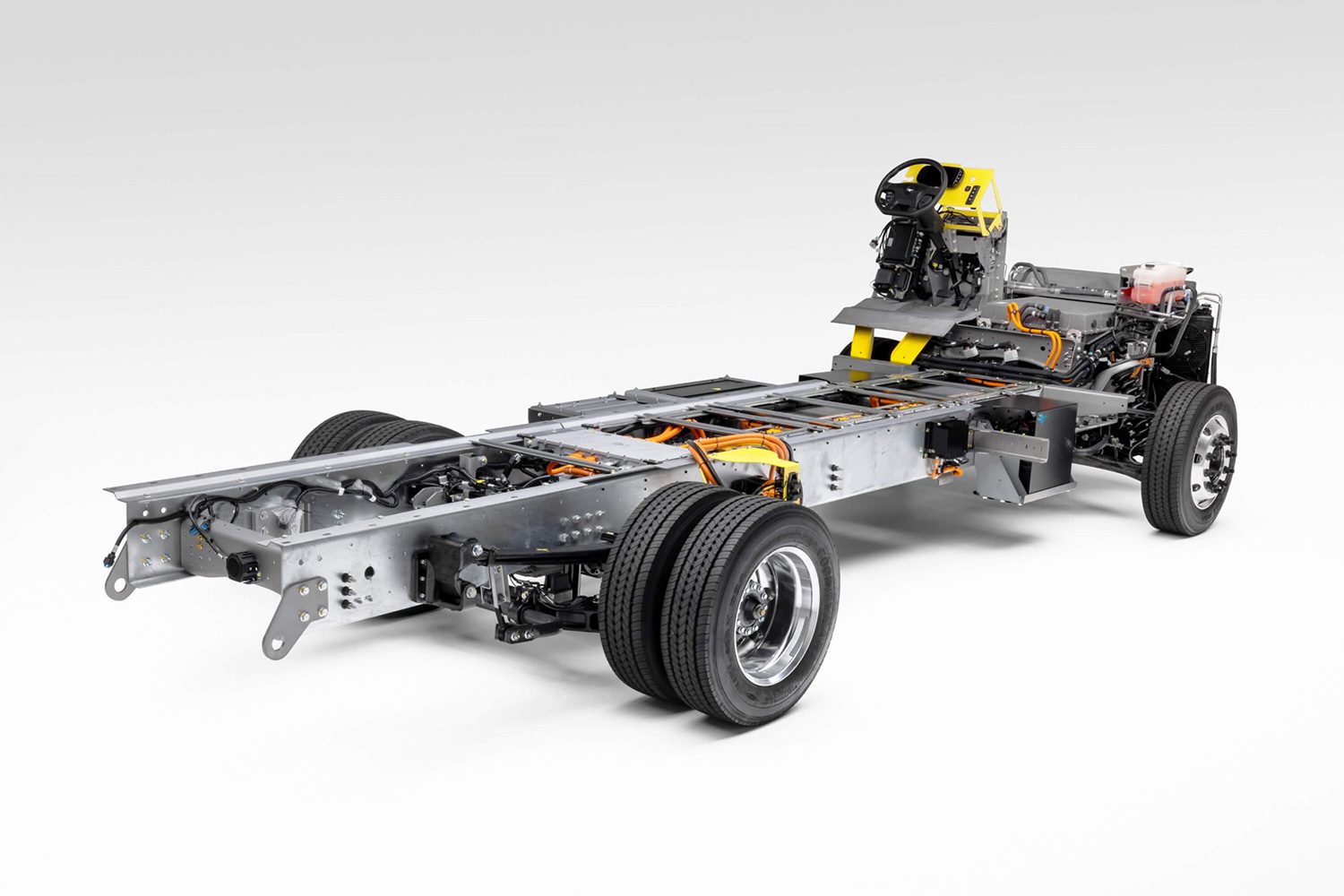
- Harbinger sells solely stripped chassis in Courses 4, 5 and 6. On this market, Harris tells us, immediately’s electrification expertise is match for function and cost-effective, and Harbinger faces little competitors.
Charged has been protecting the electrical truck marketplace for a decade, and we’ve seen numerous startup truckmakers come and go. The market is creating at a painfully gradual tempo—a number of pilots, however few large-scale deployments. The most important OEMs haven’t fared any higher with their on-again, off-again electrification efforts—within the newest spherical of retrenchments, GM deserted its Brightdrop industrial car division, and Ford killed its F-150 Lightning electrical pickup.
Electrical vehicles clearly supply value financial savings on gas and upkeep, and by all accounts drivers love them, so why does the sector proceed to wrestle? Properly, John Harris, co-founder and CEO of electrical truck firm Harbinger Motors, believes the reply is easy: electrical vehicles carry a hefty value premium that the majority fleets merely aren’t prepared to pay. The latest elimination of federal tax credit widened the hole, triggering one other wave of bankruptcies and backtracking.
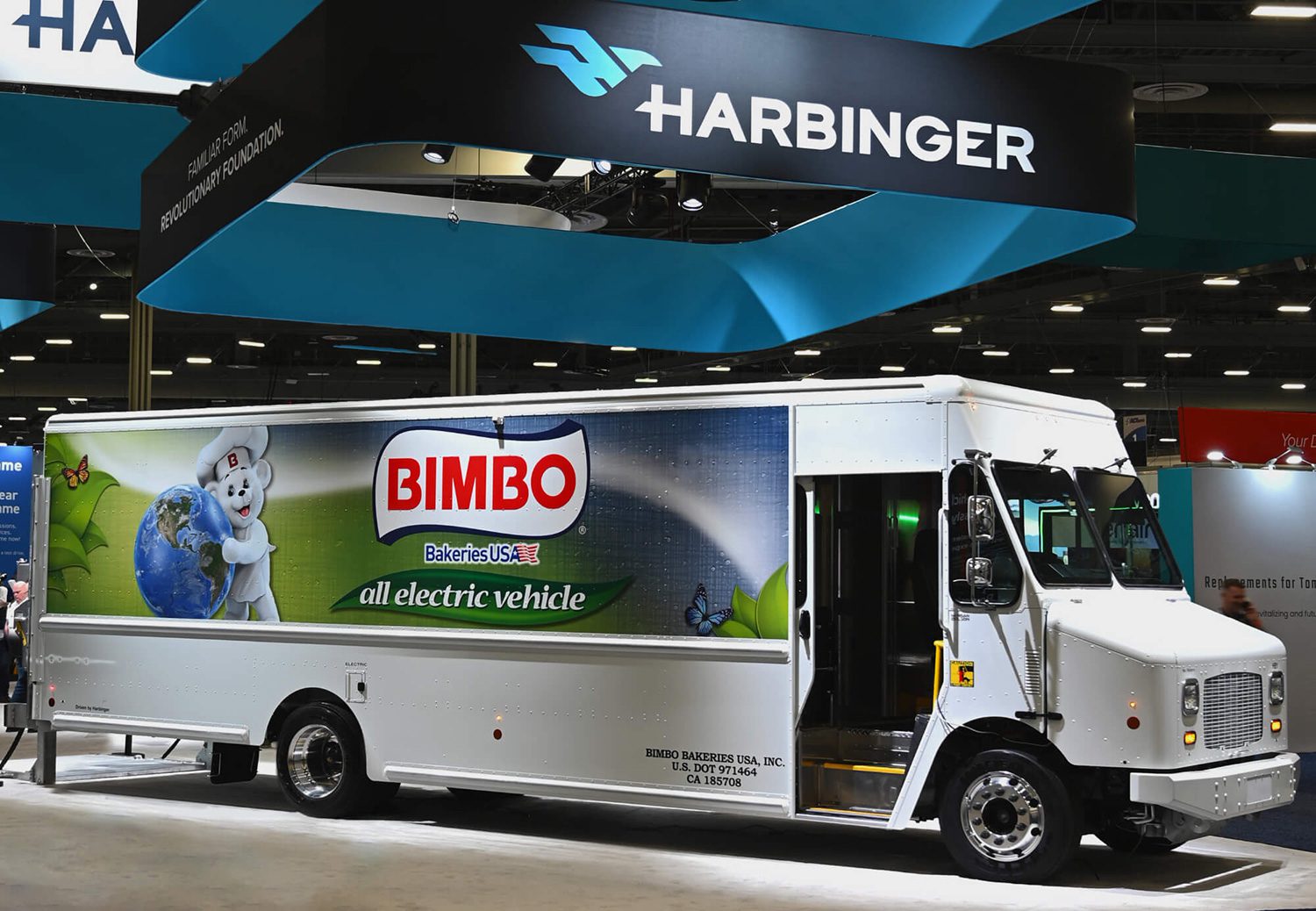
Harbinger is a uncommon success story within the industrial EV section. Mr. Harris informed Charged that his agency’s gross sales grew “fairly dramatically” in each quarter of 2025, and that the top of the IRA tax credit had no impression on gross sales. Harbinger is targeted squarely on Courses 4, 5 and 6 autos, and it’s in a position to supply electrical vehicles at value parity with comparable diesel autos. The corporate has a formidable record of consumers for such a younger firm. In 2025, it stuffed an preliminary order for 53 electrical vehicles from FedEx, and it’s offering plug-in hybrid chassis for a brand new RV from Thor Industries, which is scheduled to enter manufacturing this summer time.
What’s the corporate’s secret? Learn on.

Charged: Let’s begin with a fast historical past of your organization.
John Harris: Harbinger is rather less than 5 years outdated. We began the corporate with a really particular deal with electrifying medium-duty vehicles, since we expect that that is the very best marketplace for electrification. It’s a market the place electrification can stand by itself primarily based on economics, it’s a market the place the expertise that we’ve out there immediately meets the wants of the shoppers, and it’s a market that nobody else is de facto taking note of.
After we have a look at funding and innovation within the automotive trade, it’s ultra-focused down in Class 1, light-duty passenger automobiles, and up in Class 8, long-haul vehicles. The center of the market, which is extremely essential to our each day lives, is totally ignored.
These large fleets, they run pilots to validate that the autos work, to not validate the value.
Charged: Since I began writing about industrial EVs virtually 10 years in the past, we’ve seen startup corporations join prospects, however these prospects insisted on doing lengthy pilots with small numbers of autos, and corporations starved out whereas ready for bigger orders. How did you keep away from that entice?
John Harris: The difficulty is that none of these startups had been prepared to promote a product at a value that was viable. They’d place 5 autos with UPS or FedEx or another giant fleet, and I suppose they assumed that the orders would come after that, however that’s not the way it works.
These large fleets, they run pilots to validate that the autos work, to not validate the value. Let’s say you place 5 autos with a type of fleets and the autos work. That’s nice. Now the fleet’s going to say, “What’s the value? Is the value low sufficient that I can see changing a 3rd of my fleet with these autos, or half of it, or all of it?”
Should you order 5 autos for a pilot program, it doesn’t actually matter what the value is. I feel numerous these corporations satisfied themselves that as a result of they might promote 5 autos at triple the value of diesel, they might promote 5,000 autos at triple the value of diesel. However there’s no path to attach these two factors. You possibly can actually solely promote dozens of autos that means since you’re promoting them to corporations which might be doing onesie/twosie trials.
I additionally suppose that for sure fleets, trials are a means of operating out the clock, not a means of getting nearer to purchases. There’s numerous company doublespeak on electrification.
I feel numerous these corporations satisfied themselves that as a result of they might promote 5 autos at triple the value of diesel, they might promote 5,000 autos at triple the value of diesel.
Lots of people have this mentality that they’ve to impress 100% of their fleet or not do something in any respect. And that’s utterly the mistaken place to take. The query is, what portion of your fleet actions are applicable for EVs? Is it 20%? 50%? 80%? I can let you know with excessive confidence that for nearly each fleet, the reply is just not zero, and the reply is just not 100%. In my expertise, the correct reply is someplace between 50% and 75%.
Loads of larger fleets get this company push: you need to be on this path to 100% electrical by such-and-such a date. And the management of these corporations talks sport about electrification publicly, however they’re taking a look at their car utilization and scratching their heads and saying, “We are able to’t go 100% electrical.” Some proportion of the routes, they’re not going to make any sense.

Charged: So, for some fleets, doing a pilot is a type of greenwashing—a solution to make it sound like they’re going electrical whereas they spend a number of years doing pilots.
John Harris: That’s precisely what it’s.
Charged: Or to be honest, a few of them could also be assuming that the expertise’s going to get higher they usually simply need to wait.
John Harris: Possibly. I feel whenever you have a look at numerous these large company commitments to zero emissions that got here out 4 or 5 years in the past, these corporations made the very rational assumption that electrical trucking would comply with the identical path as electrical passenger automobiles—you’d begin with costly autos after which costs would come down from the stratosphere to an affordable degree. That hasn’t occurred in industrial autos. Should you go to purchase a Freightliner eCascadia [electric Class 8 truck] immediately, it prices simply as a lot because the eCascadia did 5 years in the past.
Charged: You’ve chosen to deal with the section that appears most ripe for electrification.
John Harris: Inside medium-duty, I feel nearly all of autos are prepared for electrification, the outliers being autos which have super-high auxiliary masses—issues like a refuse truck—or autos which might be in multi-shift use back-to-back. The expertise is prepared on the car aspect, however the multi-shift utilization state of affairs is difficult on the infrastructure aspect as a result of it pushes you to deploy all quick chargers, which finally ends up being costly and really difficult with the utilities. However these are each fairly uncommon conditions.
We predict the expertise out there immediately will meet the wants of virtually each utility that’s in a delivery-type use—final and center mile, supply of products, companies, all these B2B or B2C actions which might be taking place inside a city-size space.
Should you’re speaking a couple of long-haul fleet, it’s very totally different. Electrification for Class 8 vehicles, it’s troublesome—the expertise is just not the place it must be but. We don’t contact any of these autos. We solely do medium-duty.
What I simply described is how electrical vehicles are constructed immediately in each firm on the earth apart from Harbinger.
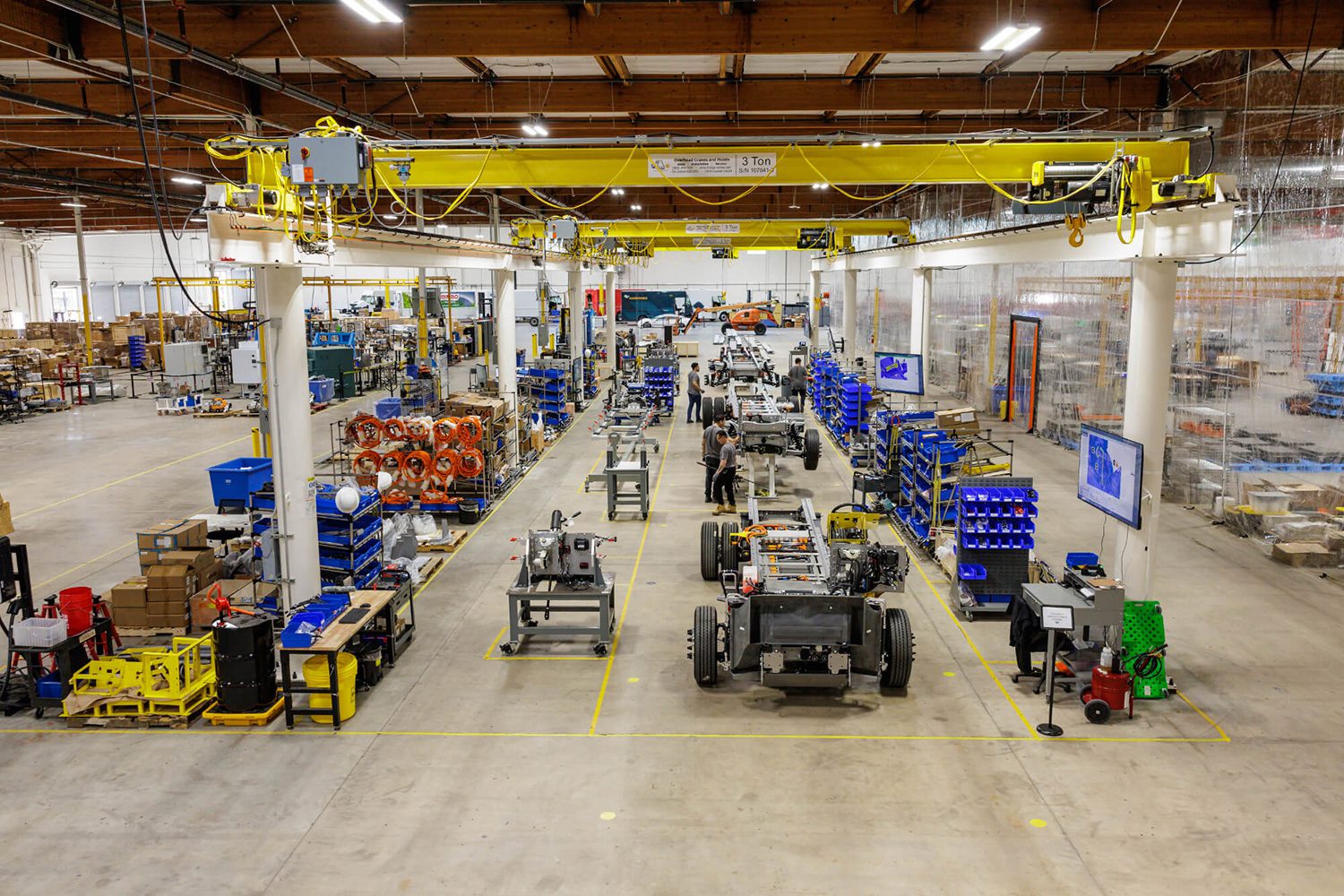
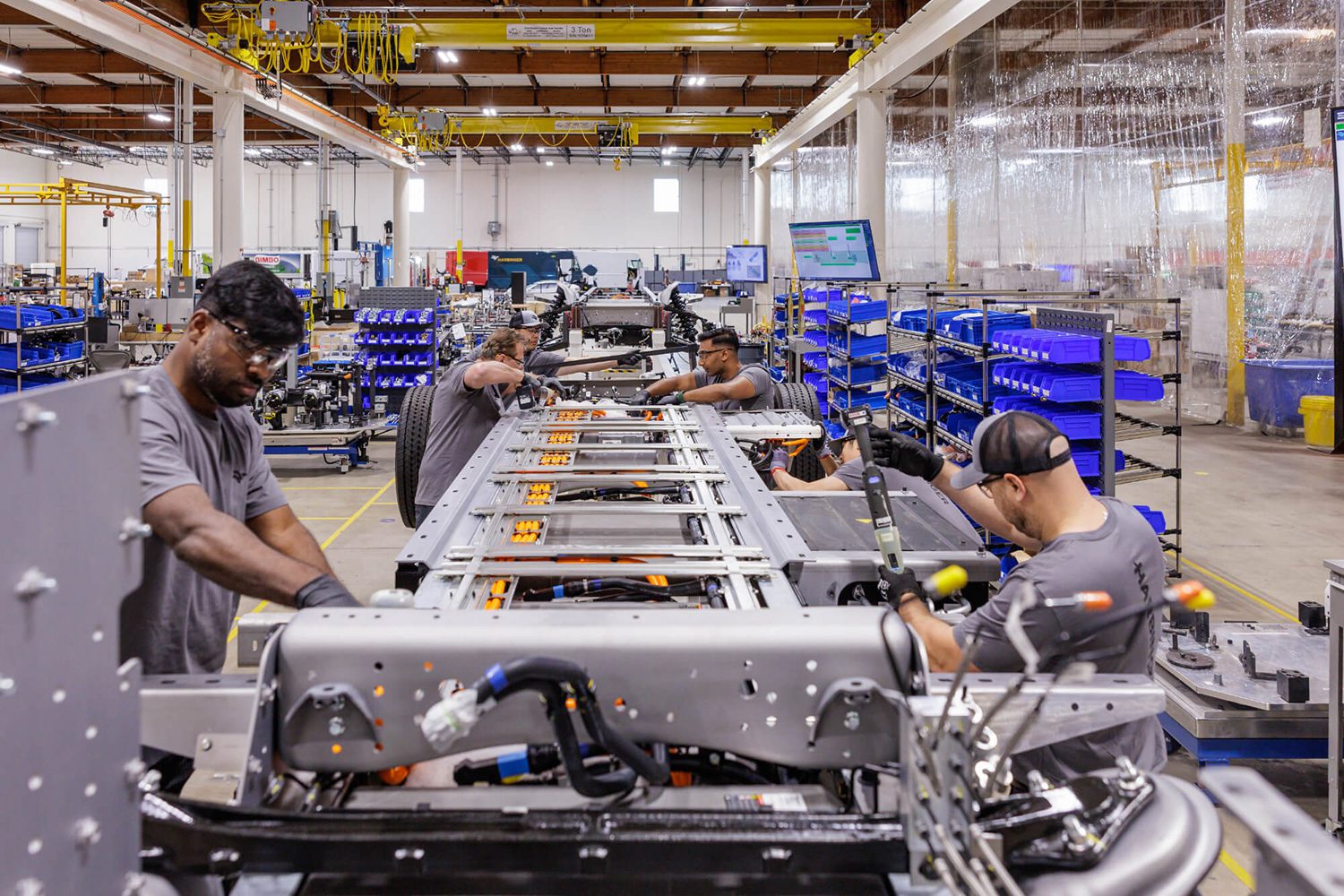

Charged: So, what’s your secret sauce? How can you produce EVs a lot cheaper than the opposite guys?
John Harris: The benefit comes right down to the correct provide chain. Think about a world during which each F-150 had a Silverado engine. You’d say, “Why am I going to pay you margin on that F-150 so that you can provide margin to another person for the engine? Why wouldn’t I simply go to that firm and purchase their competing car?”
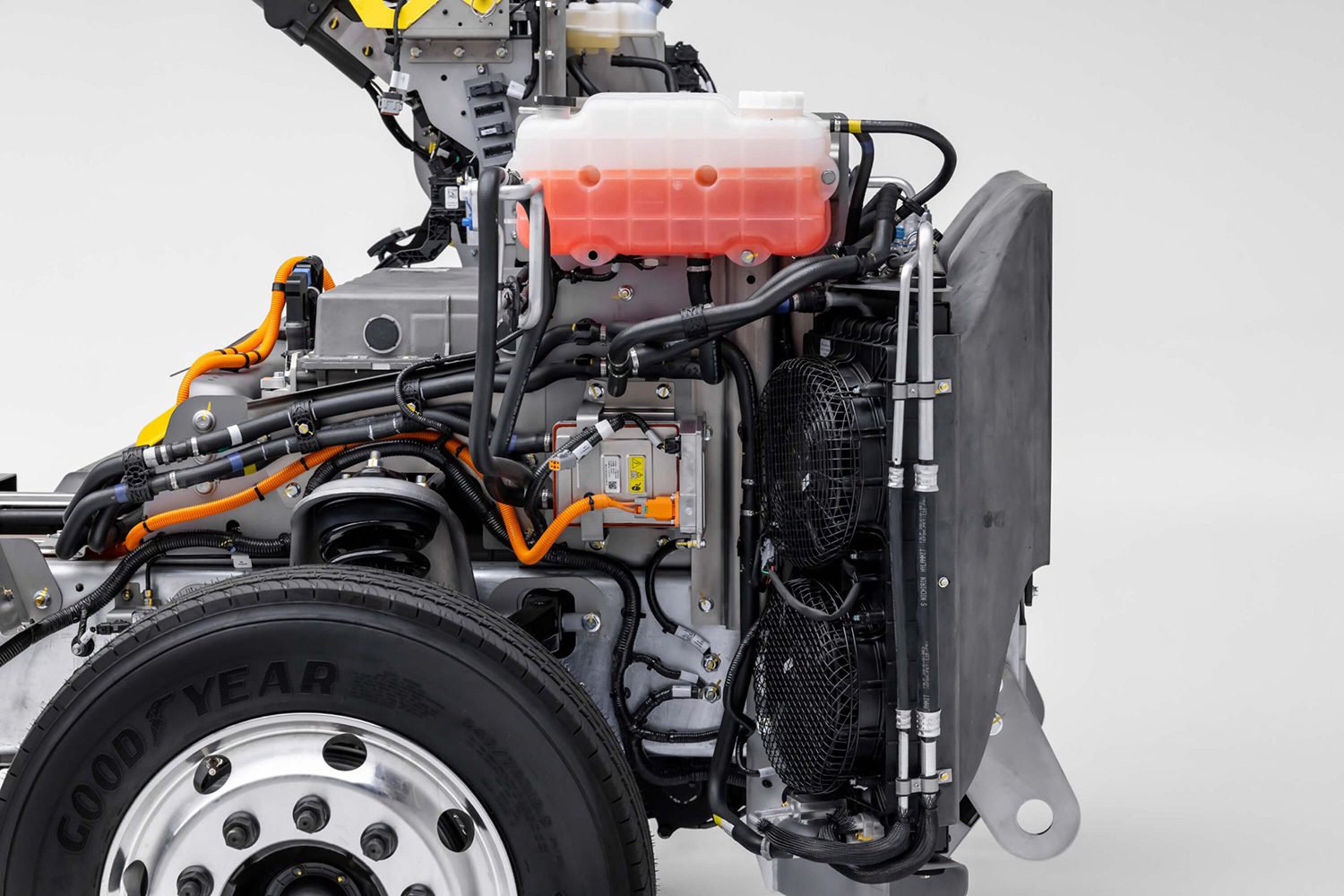
Clearly, nobody does that in passenger automobiles, as a result of it’s absurd on its face. However what I simply described is how electrical vehicles are constructed immediately in each firm on the earth apart from Harbinger. While you purchase an electrical Freightliner medium-duty truck, you’re getting basically zero electrification content material from Freightliner. It’s possible you’ll be getting a battery system from Proterra, a drivetrain system from Dana, peripherals and integration companies from a bunch of different individuals. And once we go a layer deeper, the axles on virtually each medium-duty car on the street in North America are from Dana or Meritor, and the suspension is from Hendrickson or Meritor.
So, once we have a look at the autos in use immediately in medium-duty, each EVs and common autos, the car OEMs have turn out to be integration corporations who don’t actually do element engineering. Should you purchase a truck that has a suspension system from Hendrickson, axles from Dana and a steering system from Concentric, you’re stacking up layers and layers of margin, and that’s the place you get into the three- and four-tier-deep provide chains which have turn out to be frequent in automotive.
When Harbinger buys sub-components on the car, we personal all of the IP and all of the designs of these elements, and that’s allowed us to flatten out our provide chain.
While you purchase a complete suspension system, very moderately Hendrickson goes to cost it to amortize their investments in engineering and validation and tooling. You’re not paying the price of metal plus margin. You’re paying the value the market will bear for that system, which goes to be a high-margin product.
When Harbinger buys sub-components on the car, we personal all of the IP and all of the designs of these elements, and that’s allowed us to flatten out our provide chain. Nearly every little thing in our provide chain is one or two layers deep. After we have a look at the axles, for instance, our provide chain is a single layer deep. Harbinger owns the construct prints, the tooling, the validation knowledge—we solely transact with one firm, which forges items of metal for us in line with our drawing and sells the axle to us. 0
So, once we purchase that, we’re principally shopping for metal on a per-kilogram foundation—we’re shopping for a relatively easy product from an organization that’s competing on a commodity foundation. Meaning we will compete them towards different suppliers. We are able to take that print and quote it with 5 distributors.
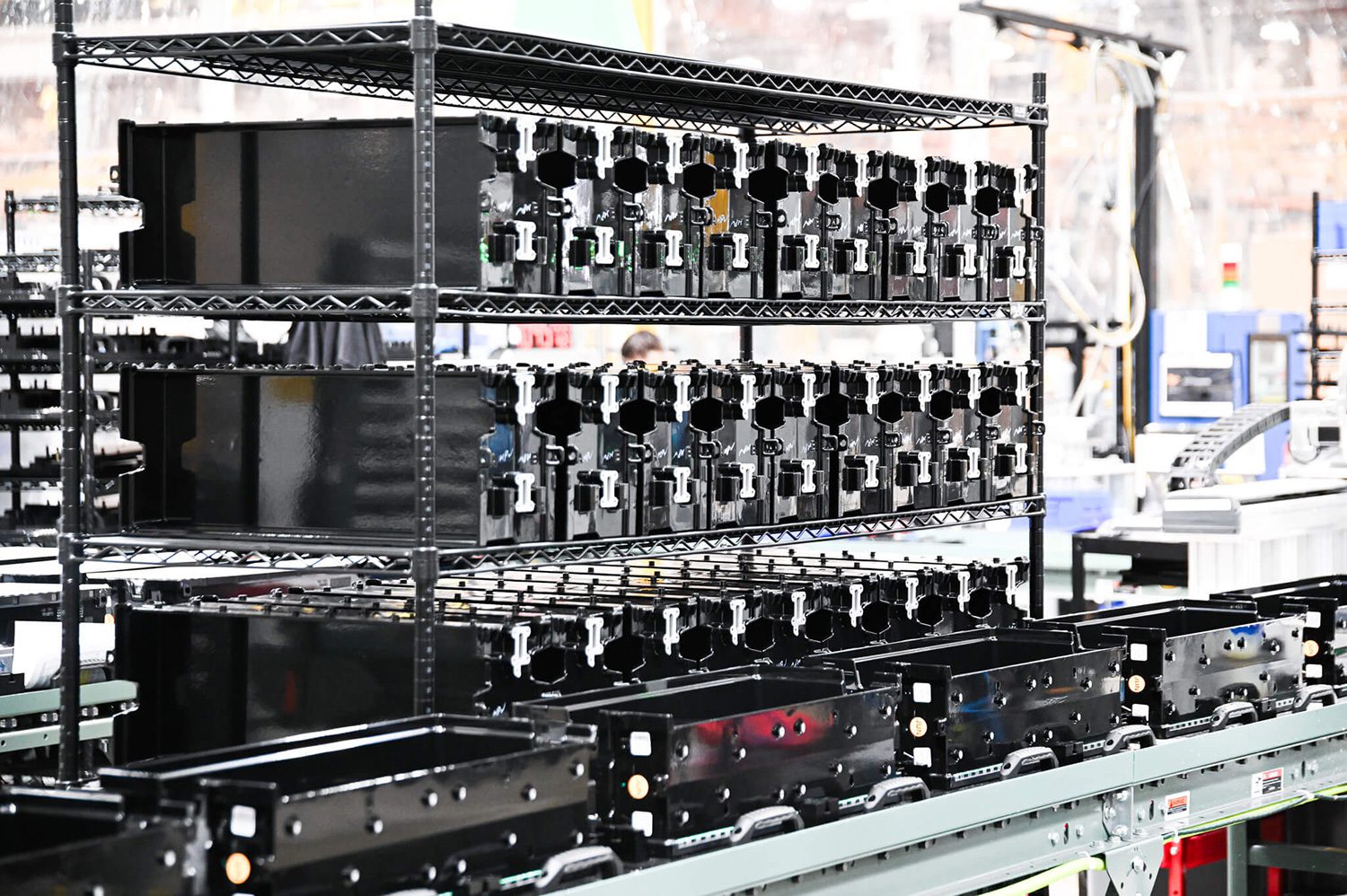
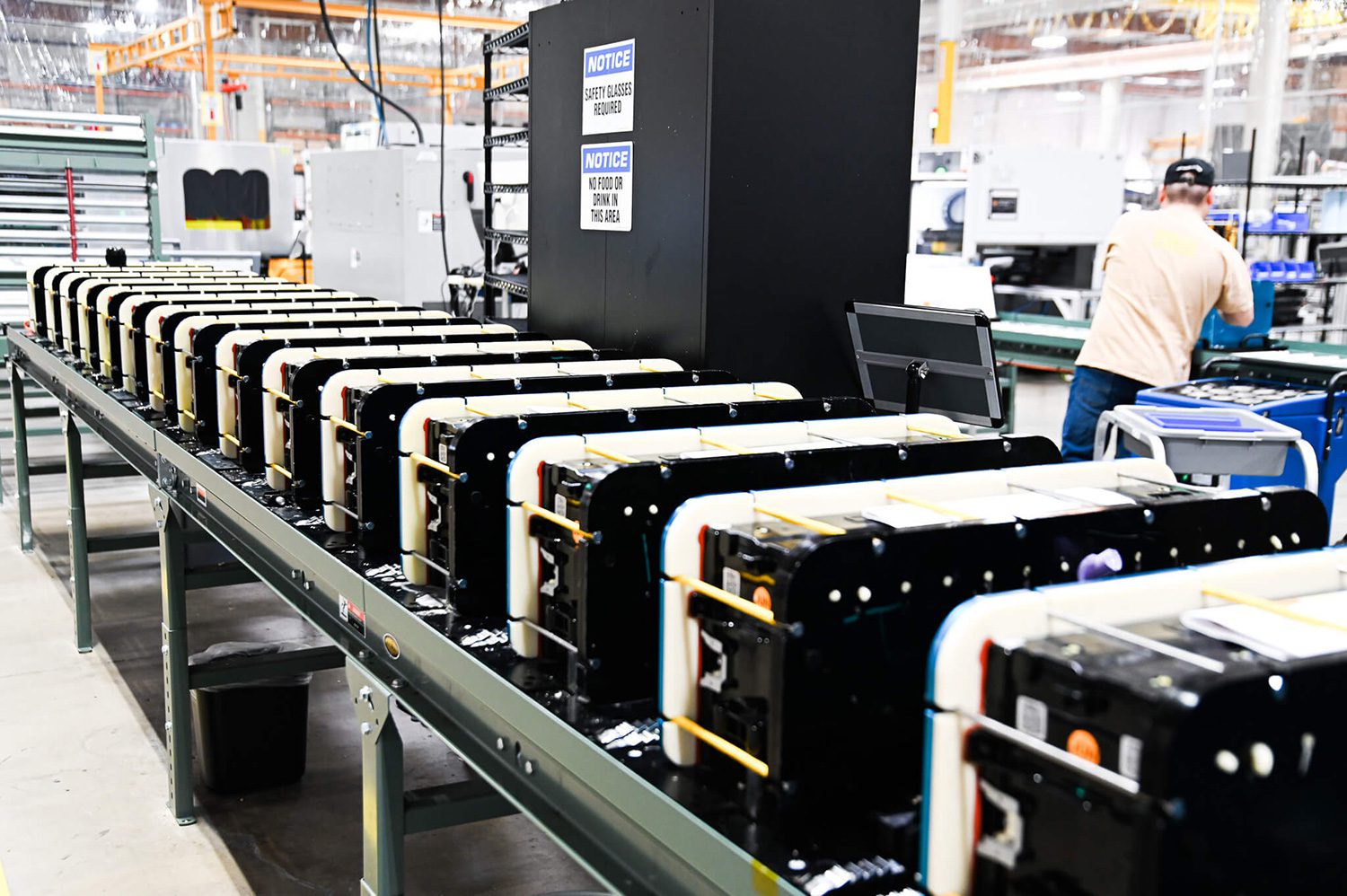
So, take that idea and duplicate that all around the car. Harbinger buys battery cells. We’re the one truck firm that does that. Everybody else is shopping for the battery pack as a complete, and that’s a posh merchandise. So once more, they’ve bought greater margins going to suppliers. All of that repeated again and again, takes all of the margin and traps it down into Tier 1, and it massively inflates the fee that will get handed alongside to the client.
Charged: That is sensible, however I nonetheless suppose there have to be some secret sauce right here. How did such a younger firm give you refined engineering that’s aggressive with that of a lot bigger, extra established corporations?
John Harris: Two causes. One is that we’re extra targeted. All we make are medium-duty stripped chassis, and that’s allowed us to focus all our manpower and all our capital on constructing the very best product in our section. Our section can also be pretty small. There are 300,000 to 400,000 medium-duty autos bought within the US yearly. That’s a very small market by automotive requirements—about $50 billion a 12 months. As a result of it is a small market, it’s getting principally no consideration from these automakers, so we’re probably not competing with them.
The second half is that we’ve a crew that’s actually good at this. Our individuals have been constructing new merchandise and rolling out profitable autos in electrification for many years. Our CTO and co-founder Phillip Weicker has been constructing battery methods and electrical drivetrains for his complete profession. He’s the writer of one of many main textbooks on battery administration methods. He brings monumental technical depth in that space to the desk.
After we have a look at the chassis engineering, our Chief Engineer Alexi Charbonneau was the lead engineer on body-in-white for the Mannequin S. He was at Honda and F1 earlier than that. We’re a startup, so we’re very lean. Now we have people who find themselves motivated to place in numerous effort as a result of they’ve an actual share of the upside.
Charged: How did the elimination of the federal incentive for electrical vehicles have an effect on what you are promoting?
John Harris: The federal incentive introduced us nicely below value parity—it was a synthetic benefit. However our gross sales grew fairly dramatically each quarter in 2025, together with the interval with out the IRA credit score. What we noticed later within the 12 months, by means of Q2 and Q3 particularly, is that, contemplating the final tone from the US administration, individuals didn’t suppose the IRA credit score was actual. Most consumers didn’t suppose they might depend on that credit score, so when it went away, it had no impression on our gross sales, which isn’t actually what we’d have anticipated.
With out the IRA credit score, we’re nonetheless at value parity. That doesn’t imply each mannequin is strictly the identical value as a diesel truck, however if you happen to have a look at the MSRP of the product that we imagine is the benchmark for the trade, which is the Freightliner MT55, the MSRP on these is one thing like $90,000 to $130,000 and ours is like $100,000 to $140,000. You possibly can nonetheless purchase a diesel truck for rather less, however the majority of the vary is overlapping.
Charged: And that’s with out contemplating of the financial savings on gas and upkeep.
John Harris: Appropriate. And that’s with out the enhancements to emissions and driver security and driver consolation. There’s a number of causes that you have to be shopping for our autos even when they had been at a premium. However on the identical value, we expect it’s a no brainer.
Charged: Are there nonetheless some state incentives which might be enticing?
John Harris: There are, and actually we’ve seen the state incentives going up. The states which have incentives are usually left-leaning states. (Not at all times—they’ve surprisingly compelling incentives in Texas, for instance.) However whenever you have a look at the left-leaning states, lots of them have reacted to the elimination of the IRA credit by doubling down and pushing electrification even more durable. California has phenomenal incentives. New York and New Jersey too. Washington is now rolling out their very own set of incentives known as WAZIP, impressed by HVIP, the very profitable California incentive program.
These are significantly nice if you happen to’re a small fleet. Should you’re an enormous fleet with 1,000 or 10,000 vehicles, I don’t suppose these incentives actually matter, as a result of often you’re restricted to getting incentives on 10 or 20 vehicles, or 1,000,000 {dollars} max. There are particular limits in all these packages in order that some large fleet can’t go in and take the complete pot of incentives, which is the best way it must be.
For the larger fleets, our value parity is important. For the smaller fleets, the blokes with 10 to twenty vehicles, these state incentives are an effective way for them to leap in and basically not take any danger as a result of within the states with incentives, the fee is someplace between free and the price of a used truck.
Charged: You’re promoting a stripped chassis. Is it the identical for each buyer, or is there some customization?
John Harris: There’s a matrix of configurations they will choose—I wouldn’t actually name it customization. Now we have three totally different wheelbases. The purchasers can select from 158 inches, 178 inches or 208 inches. You then’ve bought 4 gross car weight rankings. You possibly can choose from 16,000, 19,500, 22,000 or 26,000 kilos, and you may have 4, 5 – 6 battery packs. We’ll most likely introduce a three-battery-pack possibility subsequent 12 months.
Inside medium-duty, the market cut up is fortuitous for a brand new firm like us. Inside each different section, you need to promote the entire car, so you find yourself with this large possibility tree of various colours, totally different interiors, totally different bumpers, totally different seating configurations. On an F-150, there’s most likely two million combos you may order.
Medium-duty autos within the US are all bought as a chassis plus a physique, from two totally different sources, whether or not it’s a stripped chassis with a walk-in physique, or a field truck the place you’ve bought a cab chassis from one firm and physique from a distinct firm. That enables chassis corporations like us to construct a really low-mix, high-volume product.
Charged: Is it a problem to verify your chassis are going to work with all of the our bodies prospects would possibly need?
John Harris: We’ve designed our chassis to be nearly a drop-in substitute for the present stripped chassis out there. We work with the upfitters fairly carefully to verify they don’t have an excessive amount of complexity to take care of. It does require some coordination to verify we don’t design a element right into a spot the place it received’t match with their upfit, however typically, we’ve tried to design round their current standardized interface.
Charged: You developed a plug-in hybrid chassis for Thor Industries’ new Embark motor house, which is occurring sale this 12 months.
John Harris: We’ve bought an extended partnership with Thor, and we’ve continued to double down on that partnership yearly.
We had talked about constructing all-electric RVs. Thor did numerous analysis and stated, “We want a pair hundred miles of vary since you’ve bought to drive out to the place you need to camp.” Whereas we will do this with batteries, it will get costly—the batteries enhance the fee fairly a bit, and in addition add weight. So, we determined to pursue a hybrid possibility. In September, we confirmed that product off for the primary time publicly—it’s principally one among our electrical chassis, however we took a battery pack out and changed it with a spread extender.
While you say hybrid, individuals consider a car that may’t go up hills, can’t go individuals on the freeway. It’s a tragic driving expertise, and that’s since you’re speaking a couple of parallel hybrid. A sequence hybrid is a completely totally different expertise. In a parallel hybrid, you’ve gotten a very small gasoline motor and a very small electrical motor. Neither one among them have the efficiency to be responsive.
Harbinger’s hybrid is a sequence hybrid. It has a whole electrical drivetrain with electrical car efficiency, plus a generator. You’re driving round with electrical car efficiency 24/7. While you want extra vary, the generator activates and prices the battery. And if you happen to combine that correctly with good thought within the software program, you’ve gotten every kind of fascinating modes. You possibly can say, “I’m simply going to the shop, I need to drive in EV mode the entire time.” Or, “I’m occurring a street journey, give me most vary.”
Thor has a very important capability to do innovation at an enormous firm, which is uncommon. Should you have a look at the Embark, it’s phenomenal. They’ve received a ton of awards for it. The trade is loving that product. We’ll have extra bulletins with Thor subsequent 12 months. We’ve bought extra thrilling initiatives coming down the pipeline with them.

