


Few bikes are as immediately identifiable as a traditional Indian Chief. From a block away or up shut, you already know precisely what you’re taking a look at. Though Chiefs have been constructed from 1922 till the Springfield, Massachusetts‑based mostly producer ceased manufacturing in 1953, it’s the 1940 Chief that launched the skirted fenders which might be so iconic and recognizable.
Revivals of Indian, together with bikes in-built Gilroy, California, from 1999‑2003 and Kings Mountain, North Carolina, from 2006‑2011, leaned closely on conventional Chief styling: skirted fenders, an illuminated Indian headdress decoration on the entrance fender, spoked wheels, and liberal makes use of of leather-based fringe, chrome conchos, and Indian script badging.
The third and most important revival of Indian began in 2011, when Minnesota‑based mostly Polaris Inc. purchased the rights to the model. When Indian Motorbike was relaunched on the Sturgis Rally in August 2013, three fashions have been unveiled: Chief Basic, Chief Classic, and Chieftain. All have been powered by the air‑cooled Thunderstroke 111, which had been proven at Daytona Bike Week earlier that yr, and all shared a styling throughline that went again to the 1940 Chief.
Quick ahead to the current. Indian Motorbike is kicking off 2026 – the one hundred and twenty fifth anniversary of the model – beneath new possession and with a brand new CEO. Over the previous 13 years, Indian has expanded its lineup from these first three Chiefs to greater than two dozen fashions throughout its Cruiser, Bagger, and Touring households. It has additionally moved away from the standard styling that outlined earlier iterations of the model. To higher compete head‑to‑head with Harley‑Davidson, Indian has adopted design language that’s extra fashionable, muscular, and impressed by the customized scene.
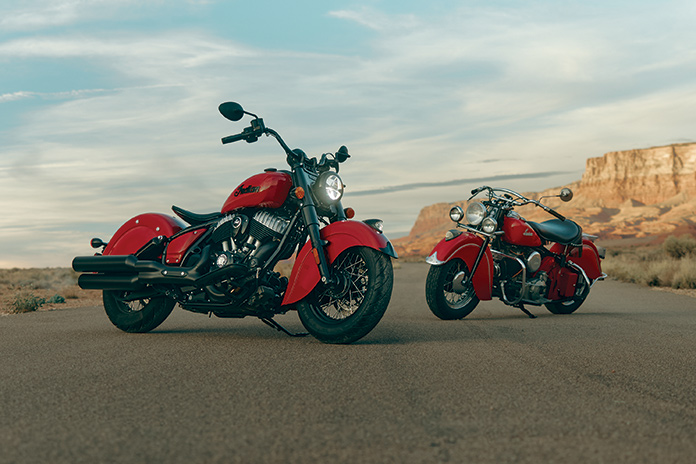
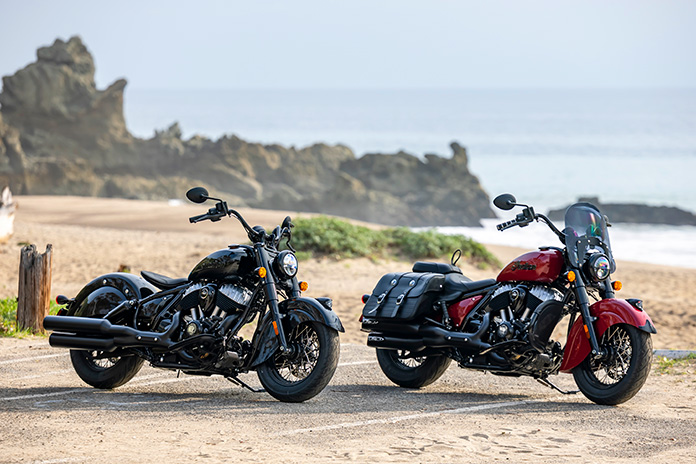
As Indian charts its new path ahead as an organization, it’s additionally celebrating its historical past and the legacy that has stored the model alive (even when the corporate wasn’t) for over a century. Which brings us to the 2026 Chief Classic. In contrast to the mannequin of the identical title that debuted in 2013 and stayed within the lineup till 2022, the brand new model extra carefully resembles the Chiefs of the Forties. It’s darker, with no chrome, and minimalist, with much less ostentatious styling and fewer baubles.
Through the unveiling of the Chief Classic on the Petersen Automotive Museum in Los Angeles, Ola Stenegärd, design director for Indian Motorbike, confirmed {a photograph} of a ’40s‑period Chief that he noticed as a younger boy in Sweden. That Chief impressed Stenegärd’s lifelong love of cruisers and led him to develop into a motorbike designer. His profession consists of stints at Gilroy‑based mostly Indian, designing automobiles for Saab, and 15 years as a designer for BMW Motorrad earlier than becoming a member of Indian once more in 2018. His first project: redesign the Chief.
The new Chief platform, launched for 2022 and the idea for the Chief Classic, took after its smaller stablemate, the Scout. It was extra stripped‑down and elemental, with a shortened wheelbase, a tubular‑metal body changing the earlier modular aluminum spine, and uncovered twin laydown rear shocks slightly than a single shock hidden behind bodywork. It was additionally greater than 100 lb lighter than its predecessor.
Stenegärd mentioned that his group had this new Classic in thoughts once they redesigned the Chief. They needed to maneuver away from the earlier mannequin’s heavy use of chrome and cast off its whitewall tires and brown leather-based two‑up seat and saddlebags accented with fringe and conchos. In Stenegärd’s phrases, they needed it to be “much less retro and extra traditional.”
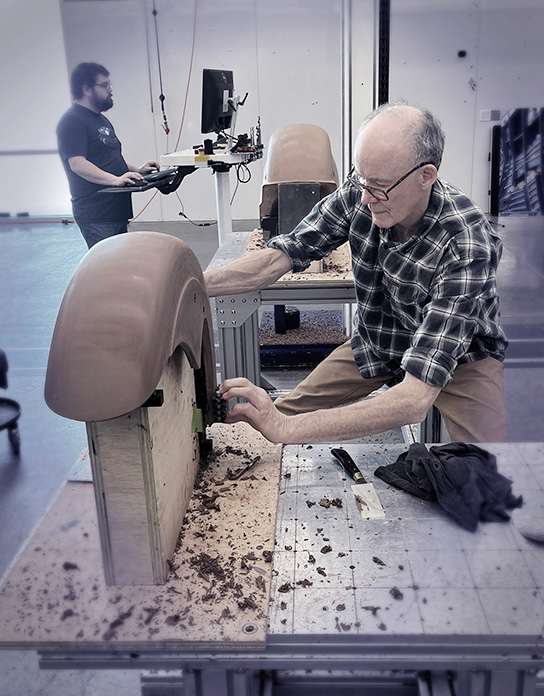
Quite than simply slapping some valanced fenders on the usual Chief and calling it day, Stenegärd and his group put lots of work into getting the stance and proportions proper. Even within the present period of laptop‑aided design and speedy prototyping, that meant lengthy hours within the studio shaping the fenders utilizing modeling clay, a way that has been round for the reason that Nineteen Thirties and is most popular when coping with advanced, natural curves. When it comes to proportions, the usual Chief has a 180mm rear tire, nevertheless it didn’t look proper on the Chief Classic. The designers went with a narrower 150mm rear, which allowed the rear fender to be narrower, lowering its visible mass and hewing nearer to the interval aesthetic.
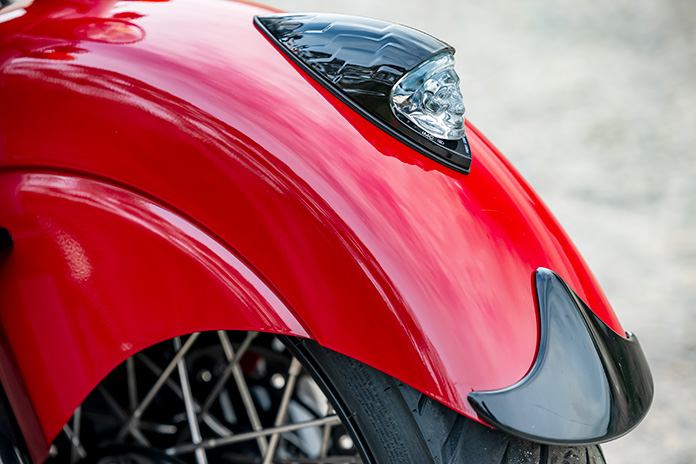
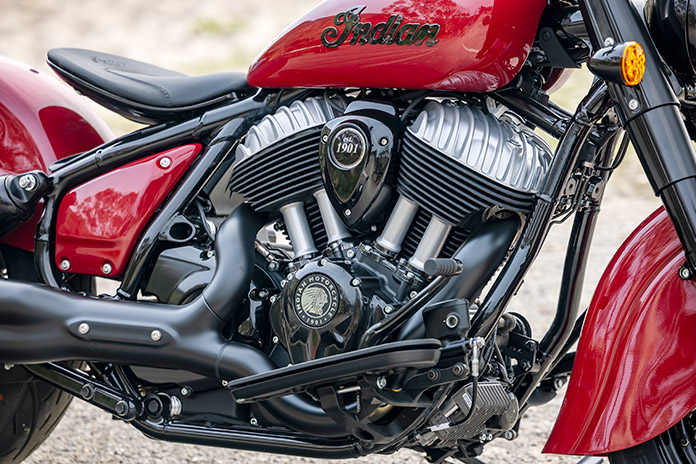
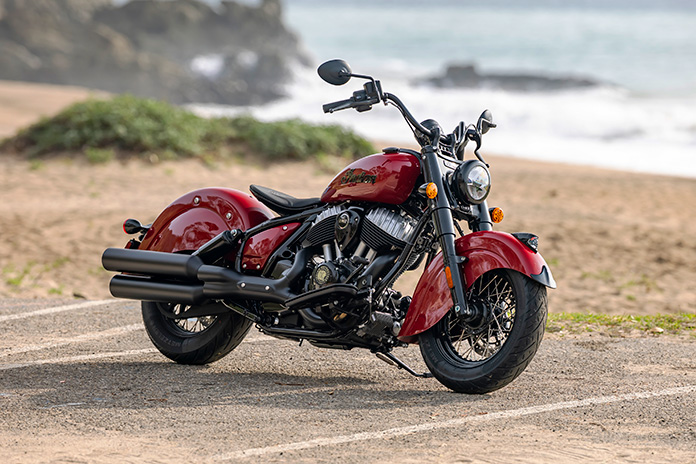
Different traditional touches abound. Fender ideas. Footboards. An illuminated headdress decoration. Covers on the forks and rear shocks. A classic‑fashion pullback handlebar. A solo seat. Black finishes on the engine with silver‑painted pushrod tubes and cylinder heads, the latter resembling the aluminum heads used on early Chiefs. Though I might have beloved to see the Chief Classic provided in Tangerine just like the 1953 Chief, colour choices are restricted to Black Metallic and Indian Motorbike Purple.
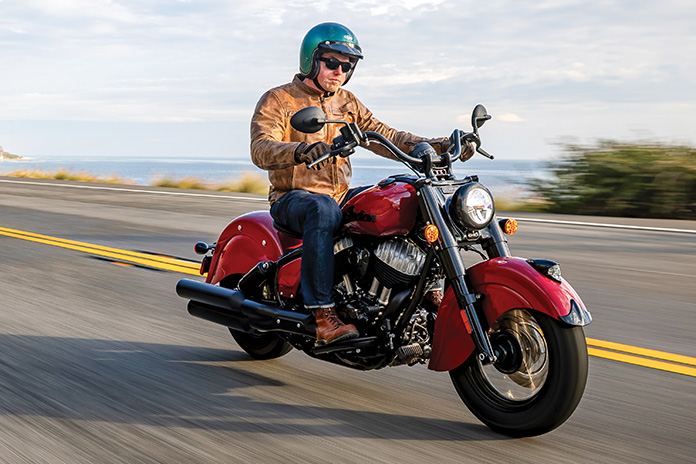
It was a cool however sunny morning when our eclectic group of journalists, YouTubers, and influencers filed out of the resort to discover a line of Chief Vintages ready for us. From a distance and up shut, the bike seems to be sharp. Aside from silver on the pushrod tubes, cylinder heads, wheel spokes, and some badges and fasteners, every thing is completed in gloss or matte black. The body, fork and shocks, exhaust pipes, headlight bucket, handlebar, seat, and even the fender ideas, headdress decoration, and Indian badges on the tank are black, black, black.
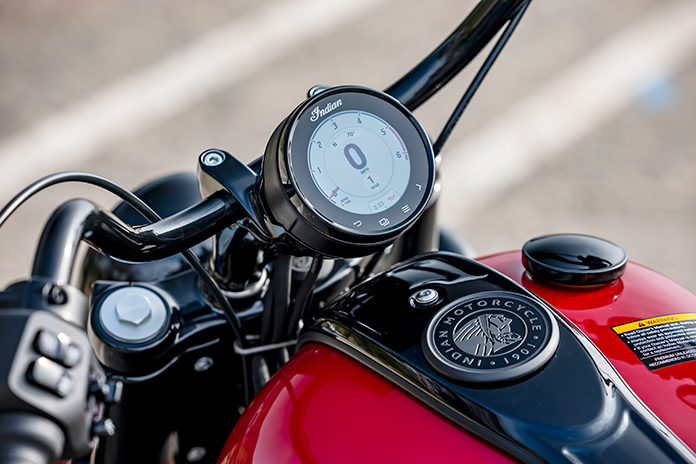
Discreetly hidden on the bikes have been the digital key fobs. All we needed to do was faucet the ability button, which dropped at life the spherical 4‑inch colour touchscreen show. Hiding in plain sight are fashionable options and conveniences as we speak’s riders need: journey modes (Sport, Commonplace, and Tour), antilock brakes, infotainment, and a charging port.
Urgent the ignition button fired up the Thunderstroke 116, an air‑cooled 49‑diploma V‑Twin that churns out 120 lb‑ft of torque at 2,900 rpm. Refined and enlarged over the previous 13 years, this engine has simply the correct amount of rumble and a particular however affordable exhaust word. With the engines heat and our caffeine kicking into excessive gear, we rolled out onto the freeway to slice and cube amongst day by day commuters on our method to the canyon roads of Malibu. In prime gear at freeway speeds, the Thunderstroke 116 chugs alongside properly, and there’s all the time further grunt on faucet for a fast move.
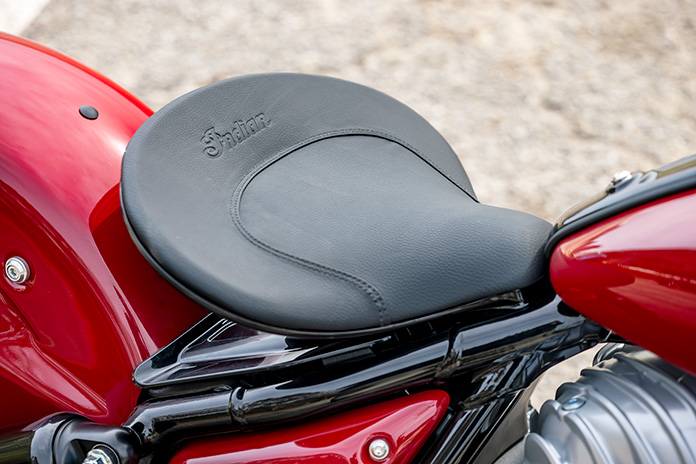
Our butts sat upon what Indian calls the Classic Floating Solo Seat. Perched at a really affordable 27 inches above the asphalt, the thinly padded seat is extra snug than it seems at first look. Stenegärd mentioned that, just like the fenders, his group burned the midnight oil to get the seat proper. Its sculpted form is predicated on that of traditional tractor seats, like these farmers spent lengthy days in whereas working the fields. The seat is held in place by a bracket that flexes, permitting it to maneuver barely to assist isolate the rider from impacts. The seat doesn’t permit the rider to maneuver round a lot, however I by no means felt the necessity to take action. And in case your driving plans embrace a companion, a passenger seat and footpegs can be found as equipment. (Different equipment embrace a fast‑launch windshield, freeway bars, saddlebags, a Pathfinder adaptive LED headlight, a Stage 1 slip‑on exhaust, and a Stage 1 excessive‑movement air consumption.)
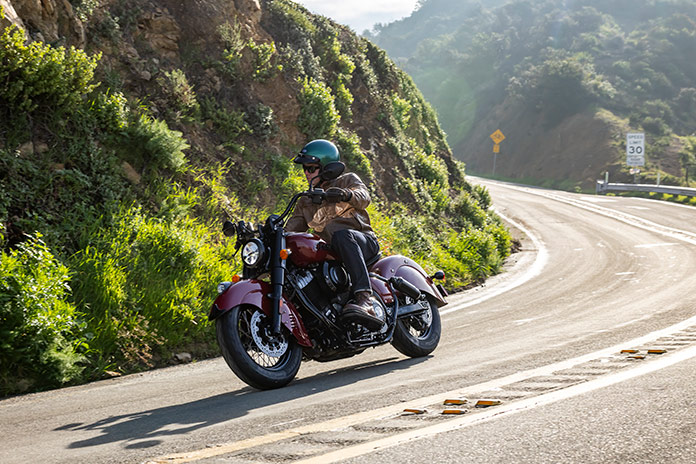
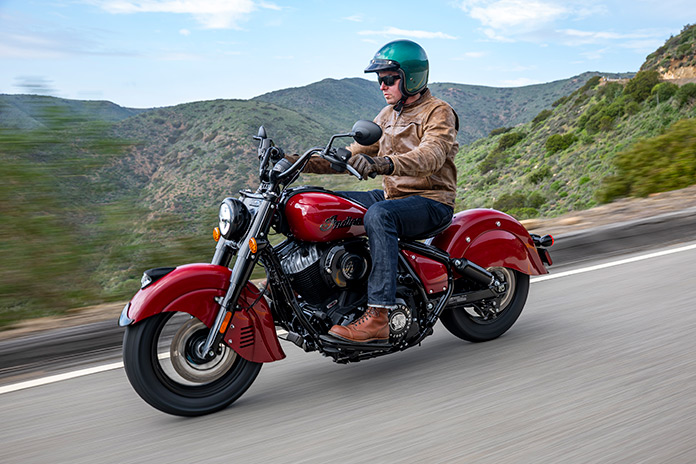
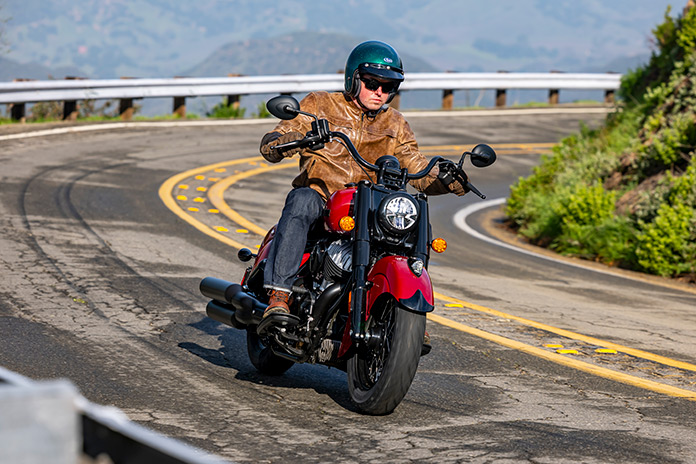
Malibu Canyon Highway took us into the Santa Monica Mountains that hug the Pacific coast, and Piuma Highway took us from the canyon’s flooring to its higher rim. Morning rains had left the street slick and even a bit of muddy in locations. The Metzeler Cruisetec tires provided assured grip, and I appreciated that the slim rear tire lowered steering effort. Within the Commonplace journey mode, throttle response was clean and predictable, permitting me to regularly roll on and off the ability as wanted to barter the curves and slippery surfaces.
After some photograph passes, we made our method to the Pacific Coast Freeway and cruised north. With my boots on the footboards and my gloves gripping the pullback handlebar, I felt comfortable, nearly swish, as we rumbled alongside the extensive boulevard. The journey high quality was good, the air was salty and clear, and all felt proper with the world.
GEAR UP
Turning onto Encinal Canyon Highway, identified for its quick, sweeping corners, the lead rider’s tempo quickened, and we gave chase. Because the previous saying goes, one bike is a journey, two bikes is a race. Hitting massive dips bounced me out of the seat just a few occasions, restricted cornering clearance necessitated extensive traces by means of corners, and arduous braking put the one entrance caliper to the take a look at, however our quick‑shifting practice of Chief Vintages would have put a smile on the face of previous Gene Thompson (Eric Trow’s grandfather, who used to race Indians).
America’s Massive Two bike manufacturers – Indian and Harley‑Davidson – do their finest to outdo one another when it comes to heritage and historical past, racing and crimson‑blooded authenticity. Indian was based first and grew to develop into the biggest bike firm on this planet however faltered after World Battle II. Harley‑Davidson was based a few years after Indian and survived all through the twentieth century and into the twenty first, however not with out its struggles and stumbles. Each are forging new paths into the longer term whereas attempting to remain true to the previous.
With the Chief Classic, Indian is paying homage to its glory days, when the Wigwam was going robust and its engineers created one of the crucial iconic silhouettes in all of motorcycling. It’s a pleasure to have a look at and a pleasure to journey.
Try extra new bikes in Rider’s 2026 Motorbike Patrons Information
2026 Indian Chief Classic Specs
- Base Value: $19,999
- Value As Examined: $20,499 (Indian Motorbike Purple)
- Web site: IndianMotorcycle.com
- Guarantee: 2 yrs., unltd. miles
- Engine Kind: Air‑cooled, transverse 49‑diploma V‑Twin, OHV w/ 2 valves per cyl.
- Displacement: 116ci / 1,890cc
- Bore x Stroke: 4.063 x 4.449 in. / 103.2 x 113.0mm
- Horsepower: 96 @ 4,200 rpm (estimated)
- Torque: 120 lb-ft @ 2,900 rpm (manufacturing unit declare)
- Transmission: 6-speed, cable‑actuated moist help clutch
- Ultimate Drive: Belt
- Wheelbase: 64 in.
- Rake/Path: 29 levels/5.2 in.
- Seat Peak: 27 in.
- Moist Weight: 721 lb (manufacturing unit declare)
- Gasoline Capability: 4 gal.

